01
Safari Adventures
The Serengeti Doesn't Wait.
Neither should you.
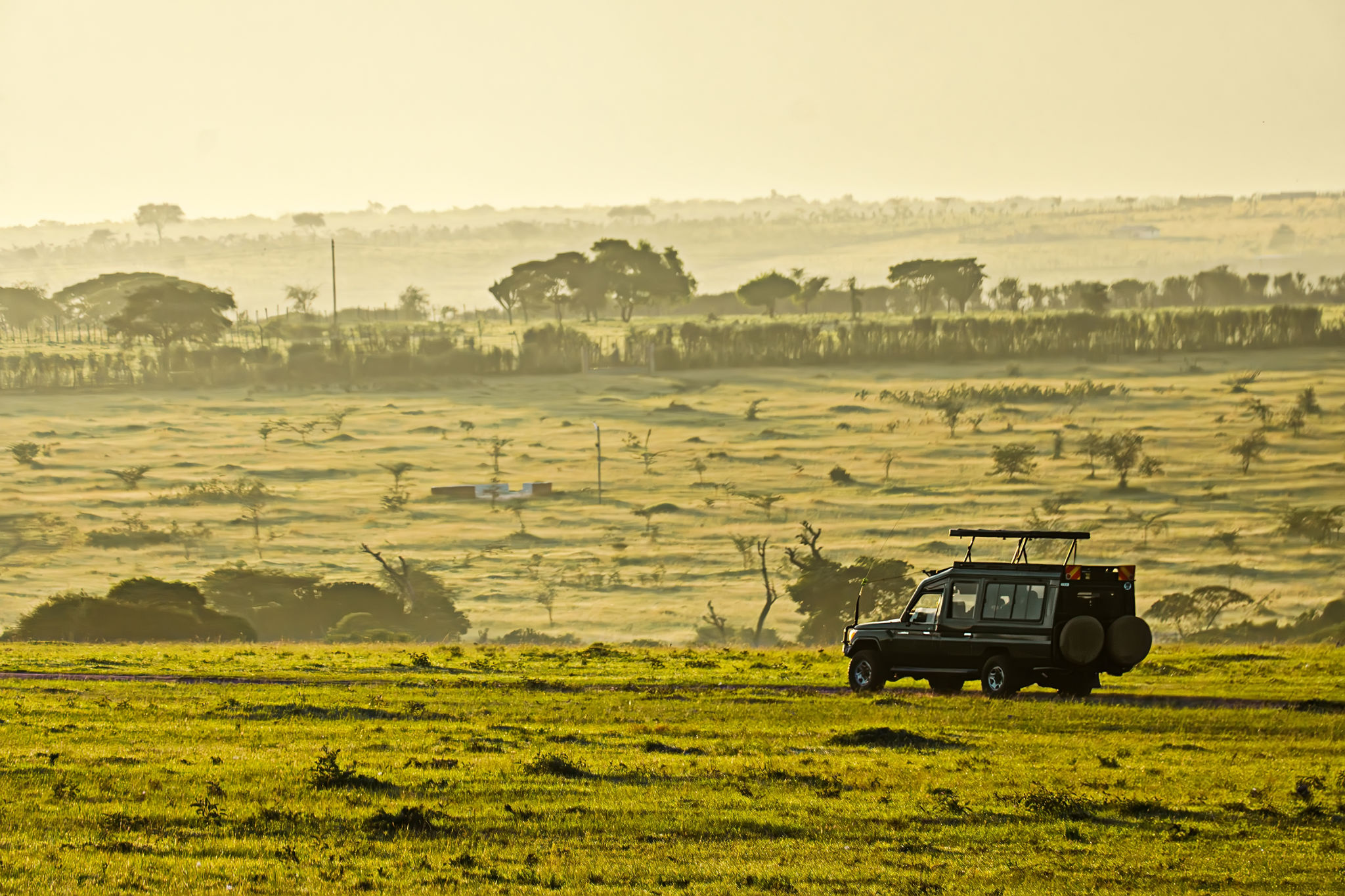
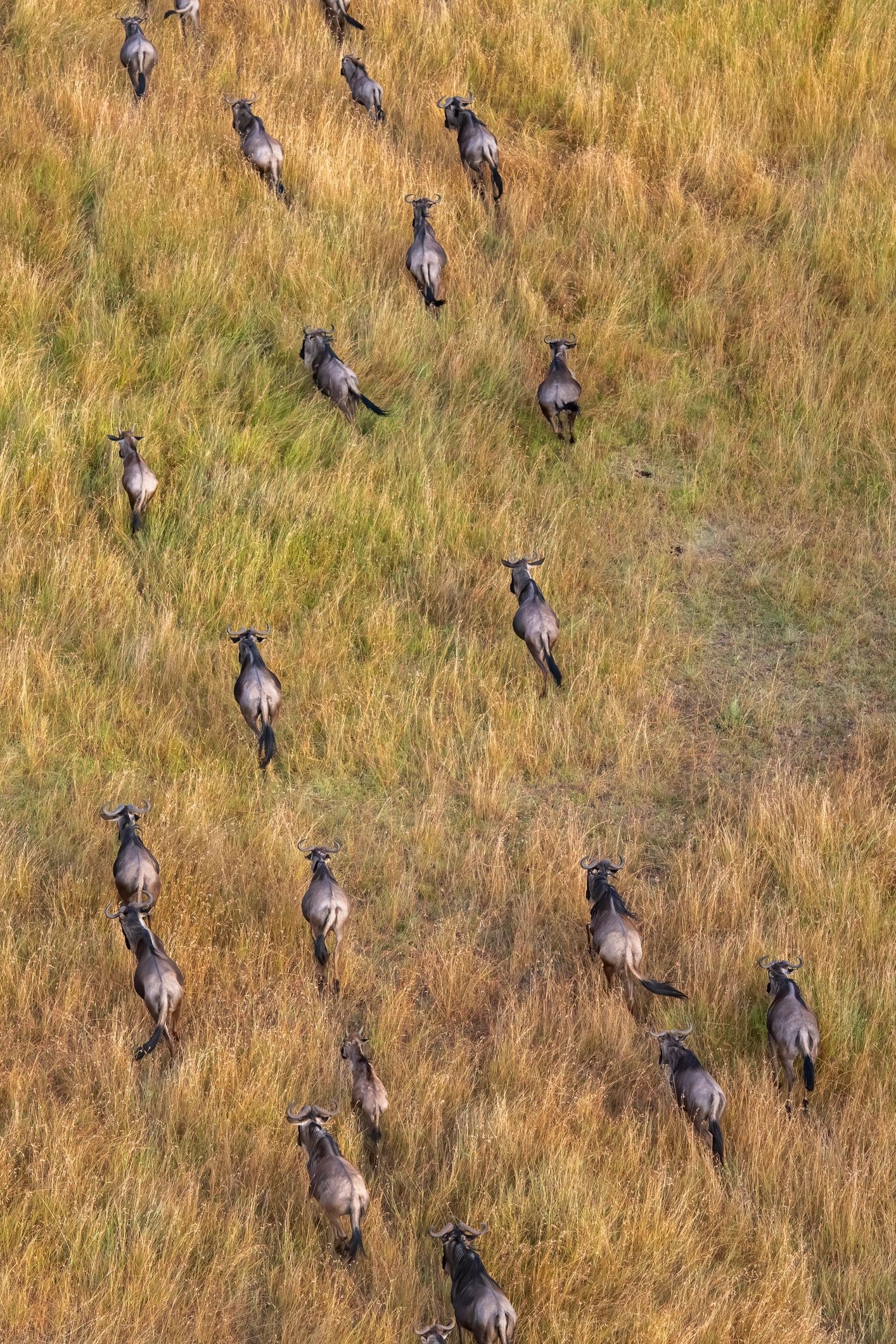
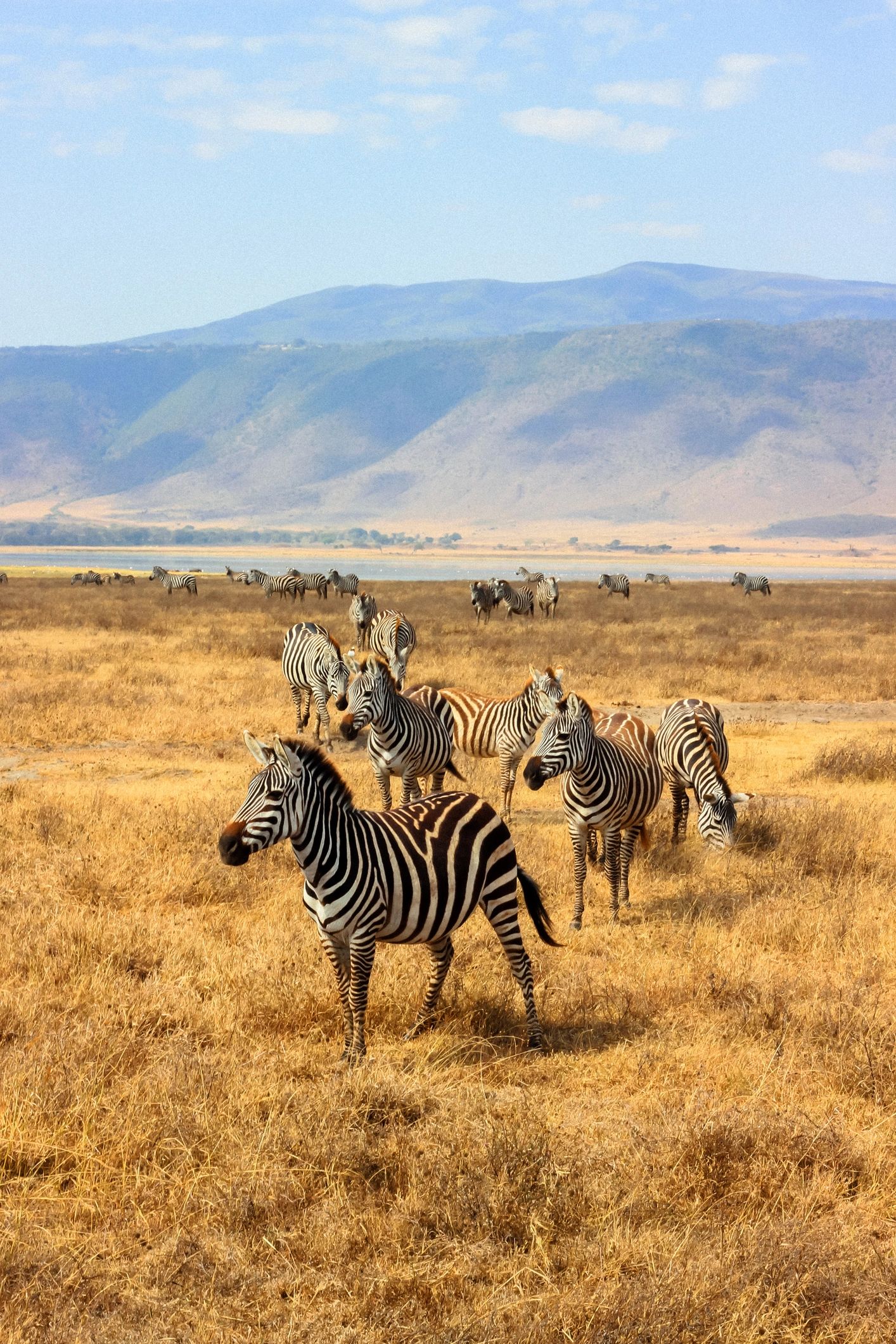
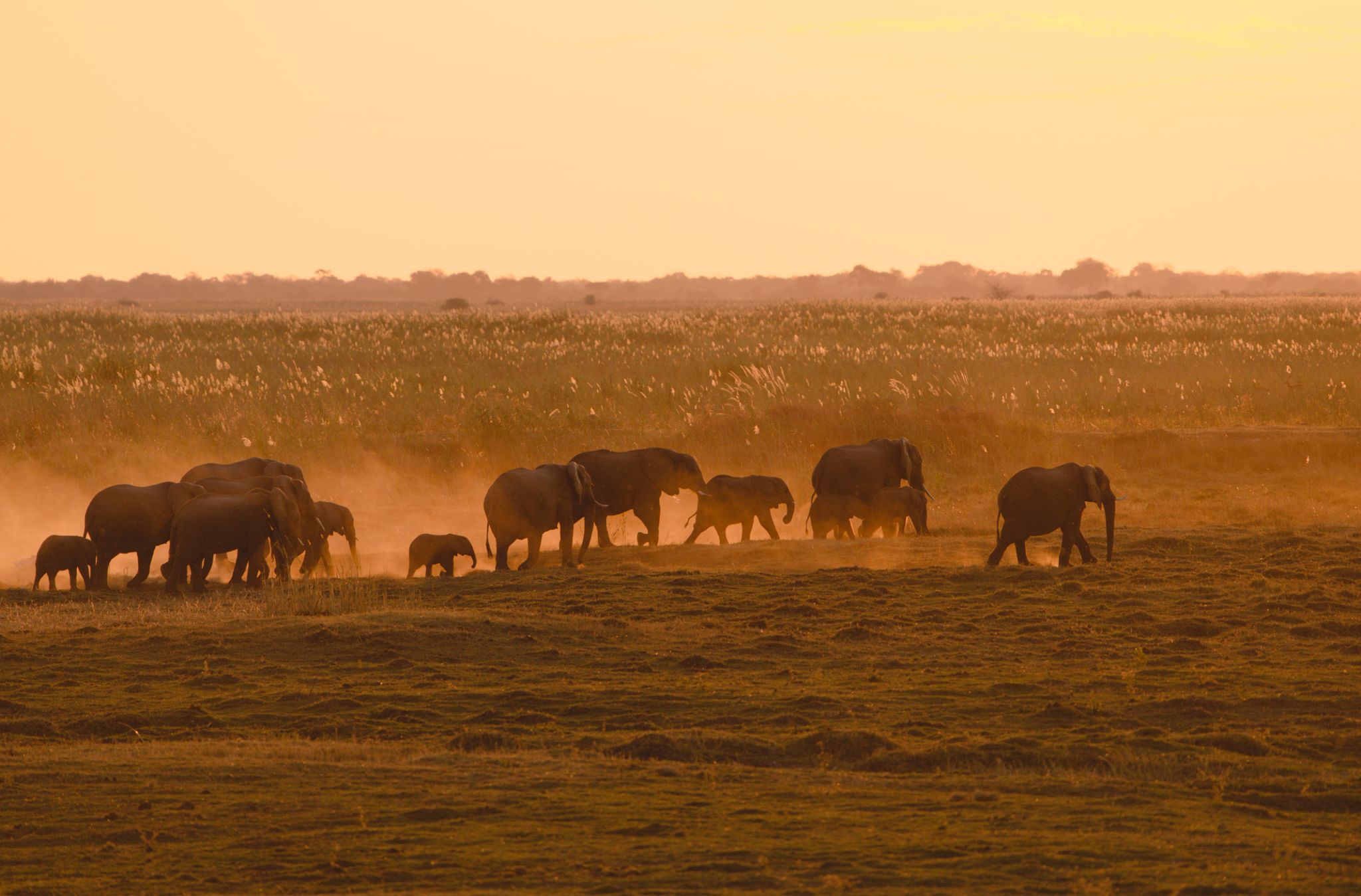
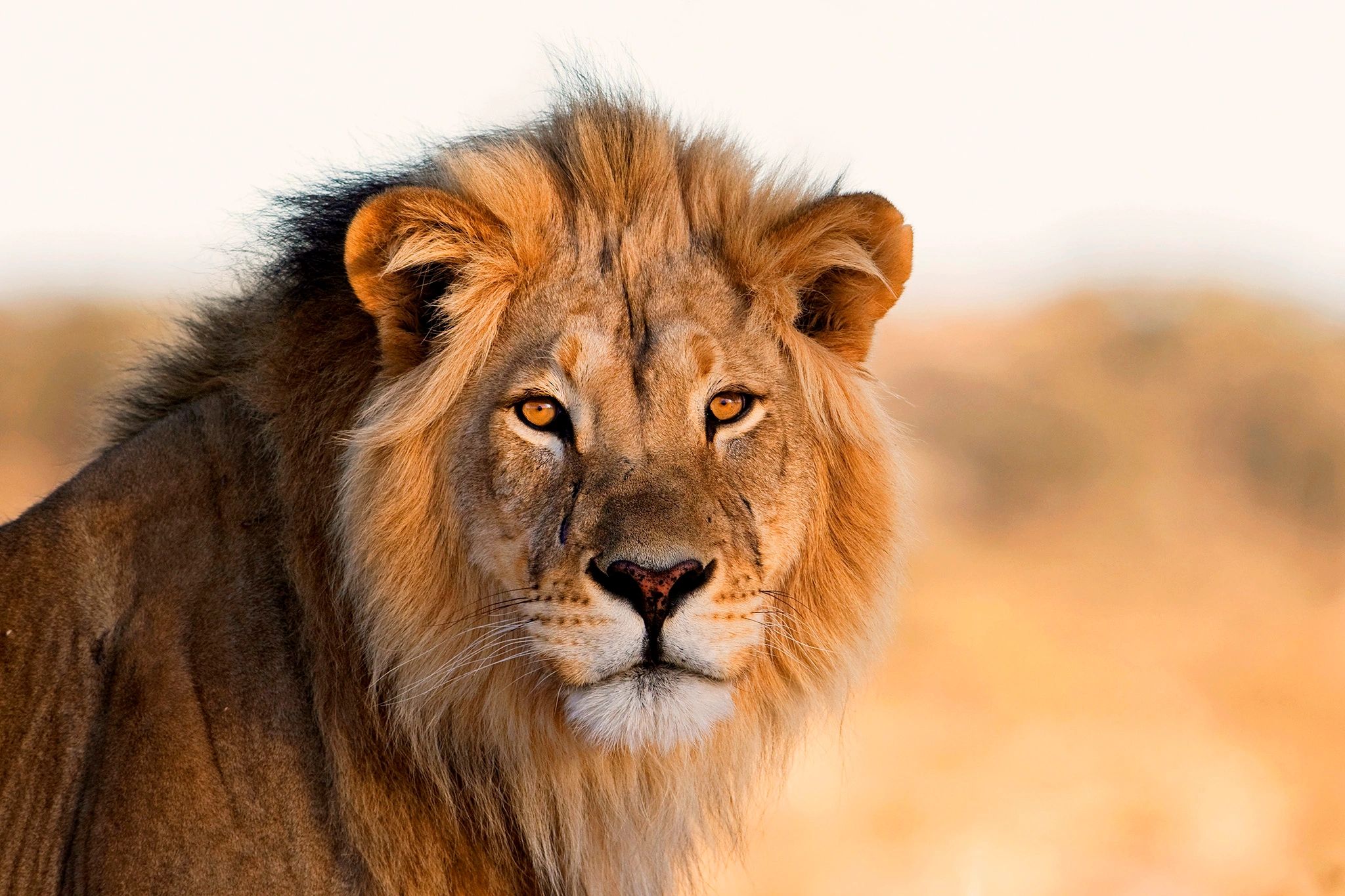
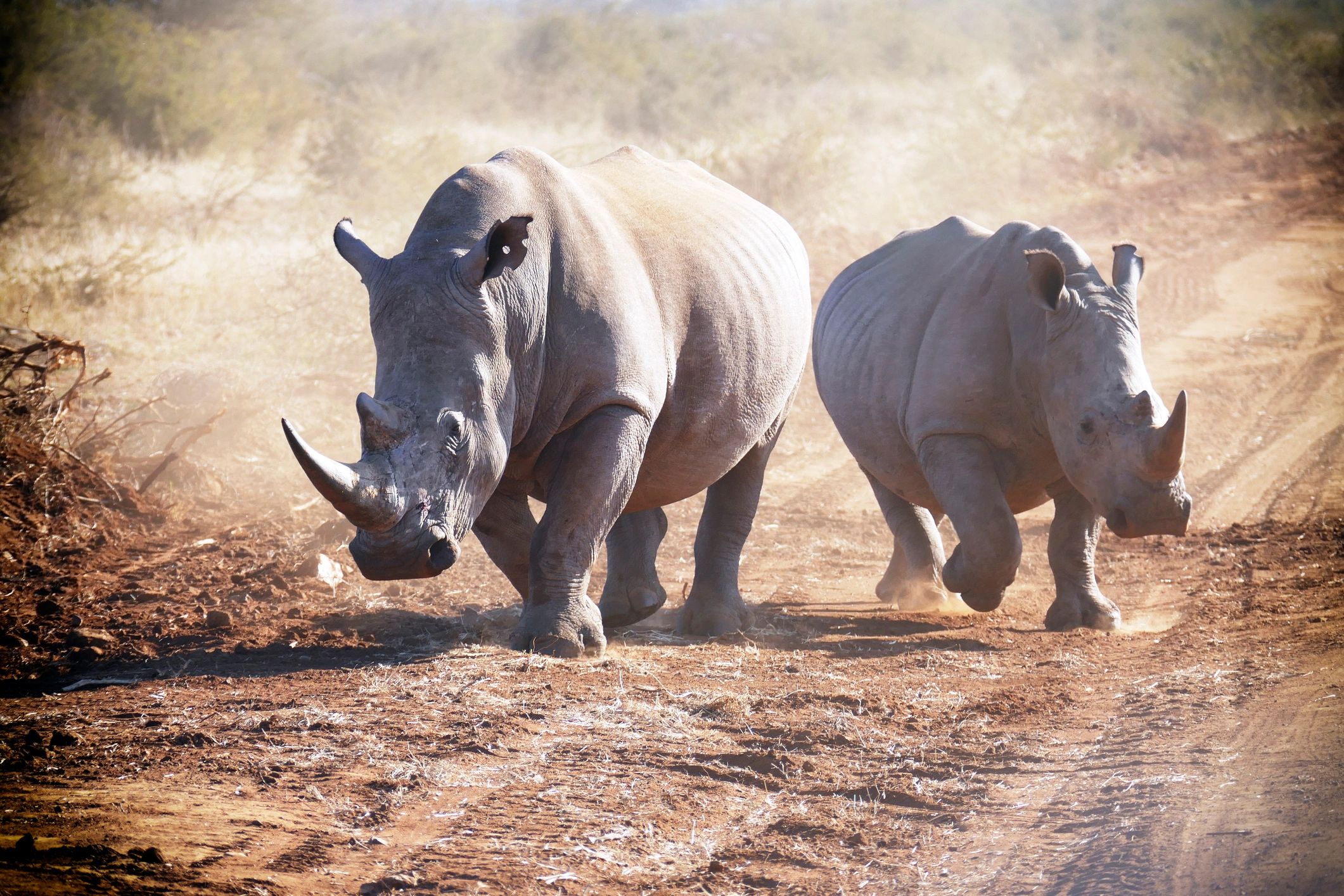
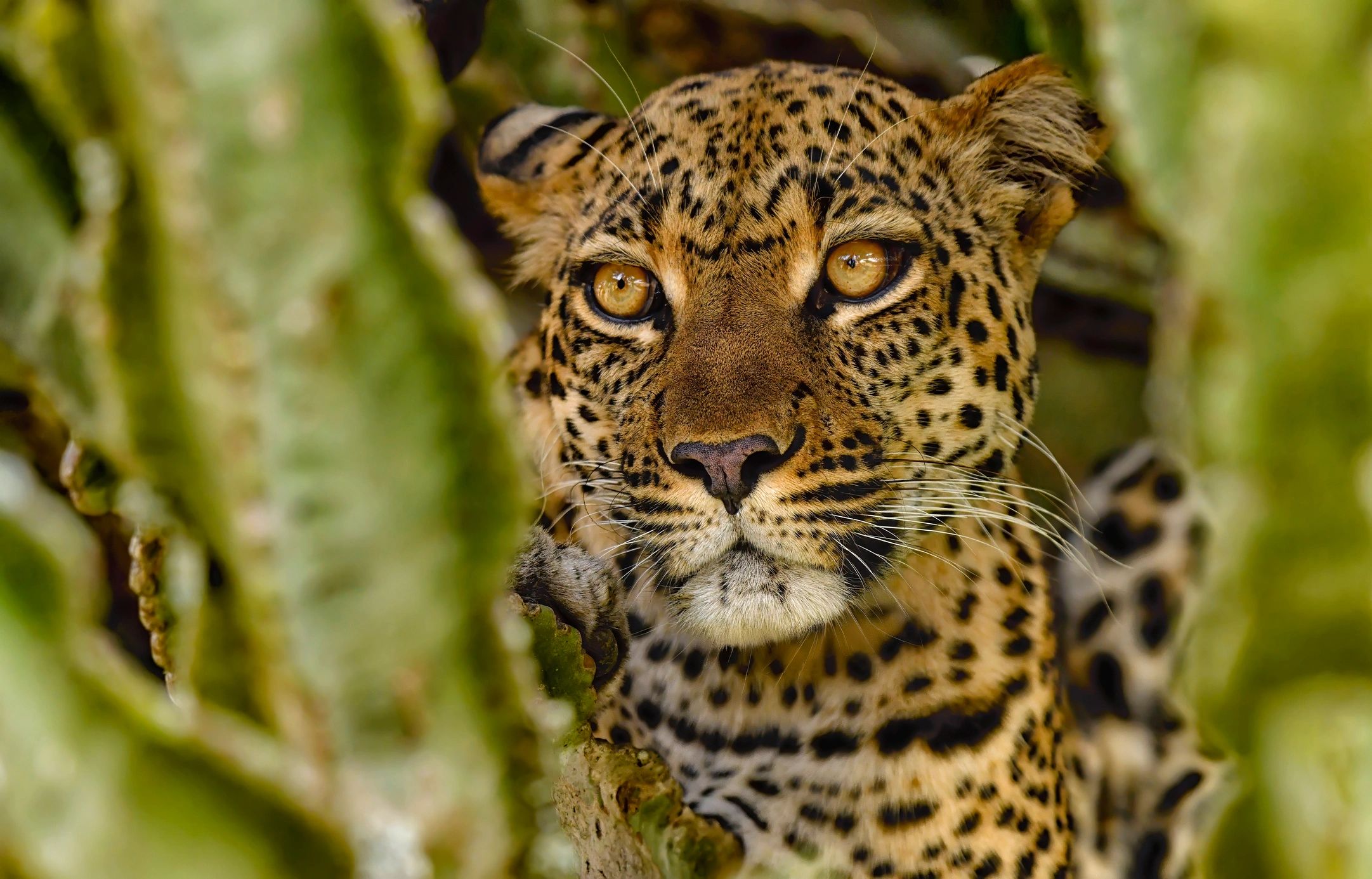
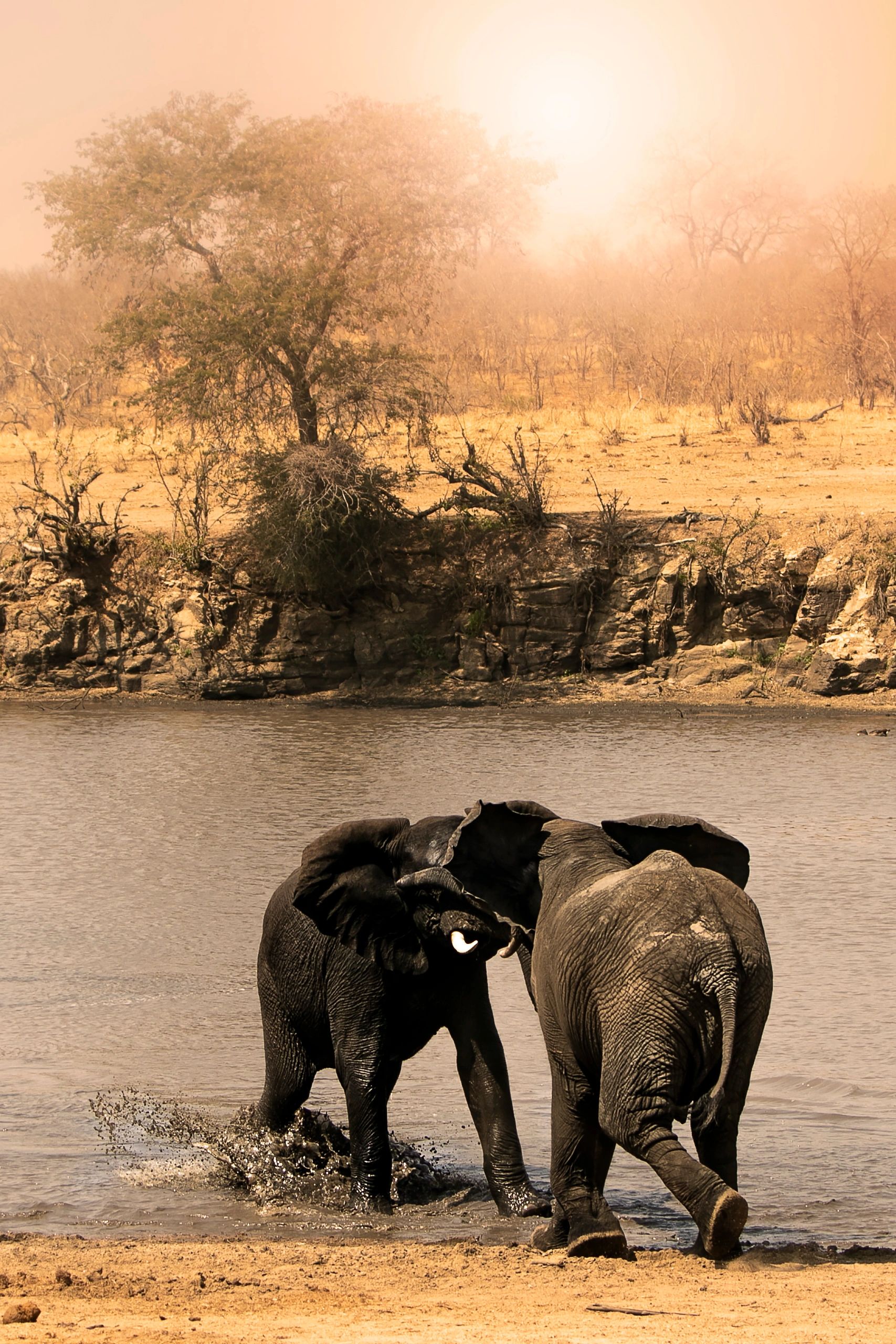
Witness the Great Migration, track the Big Five, and sleep under a sky so full of stars you'll forget the world you left behind.
Explore Safaristestimonials.sectionSubheadline

Gilles Robert-Nicoud
July 21, 2026
"Expérience personnalisée inoubliabe. (Translated by Google) An unforgettable personalized experience."

Richard Kivuyo
June 30, 2026
"To guide is not about driving share the experience with us Absolute Travel and wellcome to your expectation companie."
Reviews sourced directly from Google Business Profile
Enjoyed your safari with us? Share your story.
Your review on TripAdvisor helps other travellers discover authentic Tanzania experiences — and means the world to our guides.
Write a Review on TripAdvisorOpens TripAdvisor in a new tab
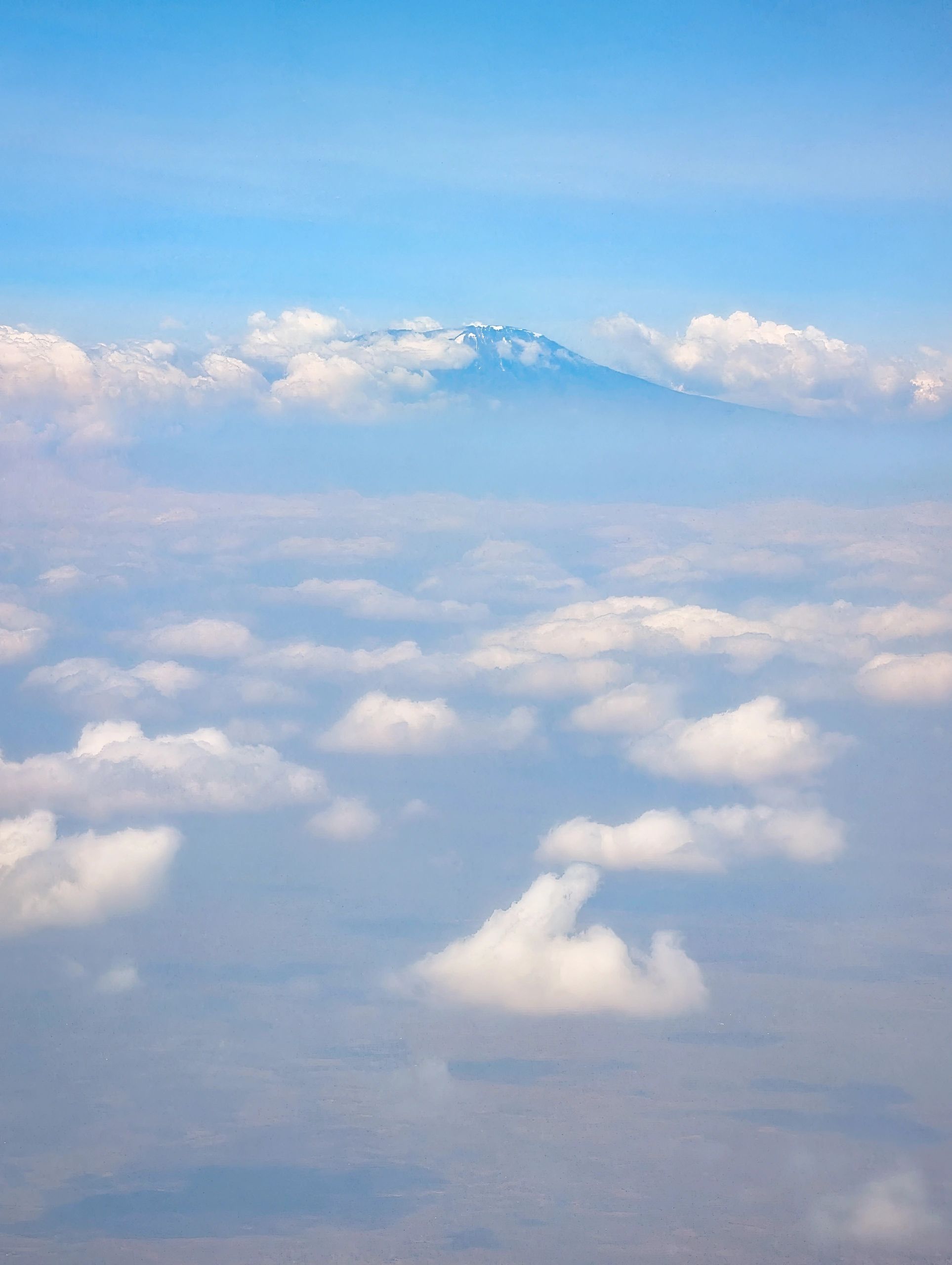
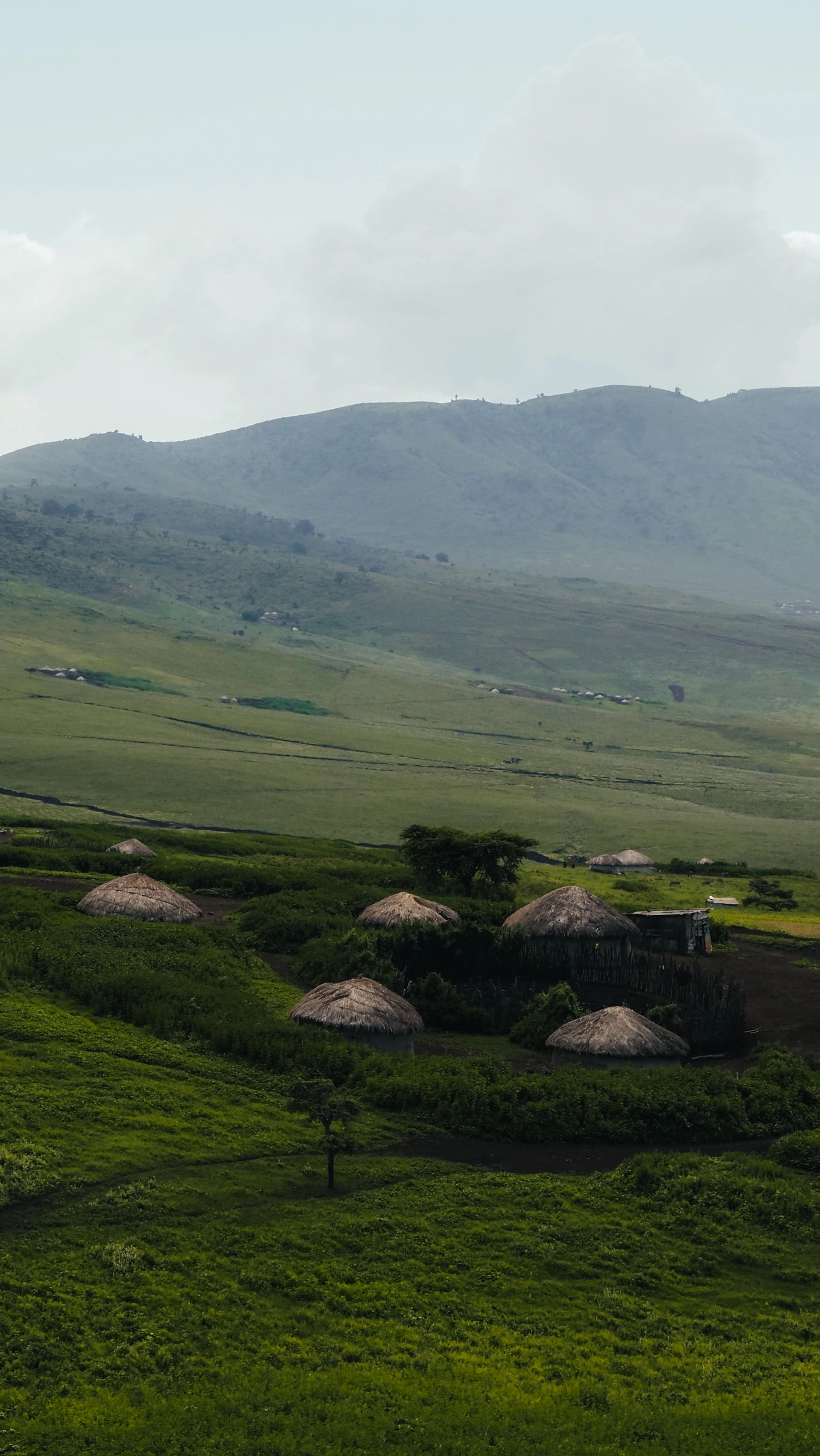
From the Serengeti plains to the summit of Kilimanjaro — we've built the experiences that define a lifetime.
01
Neither should you.
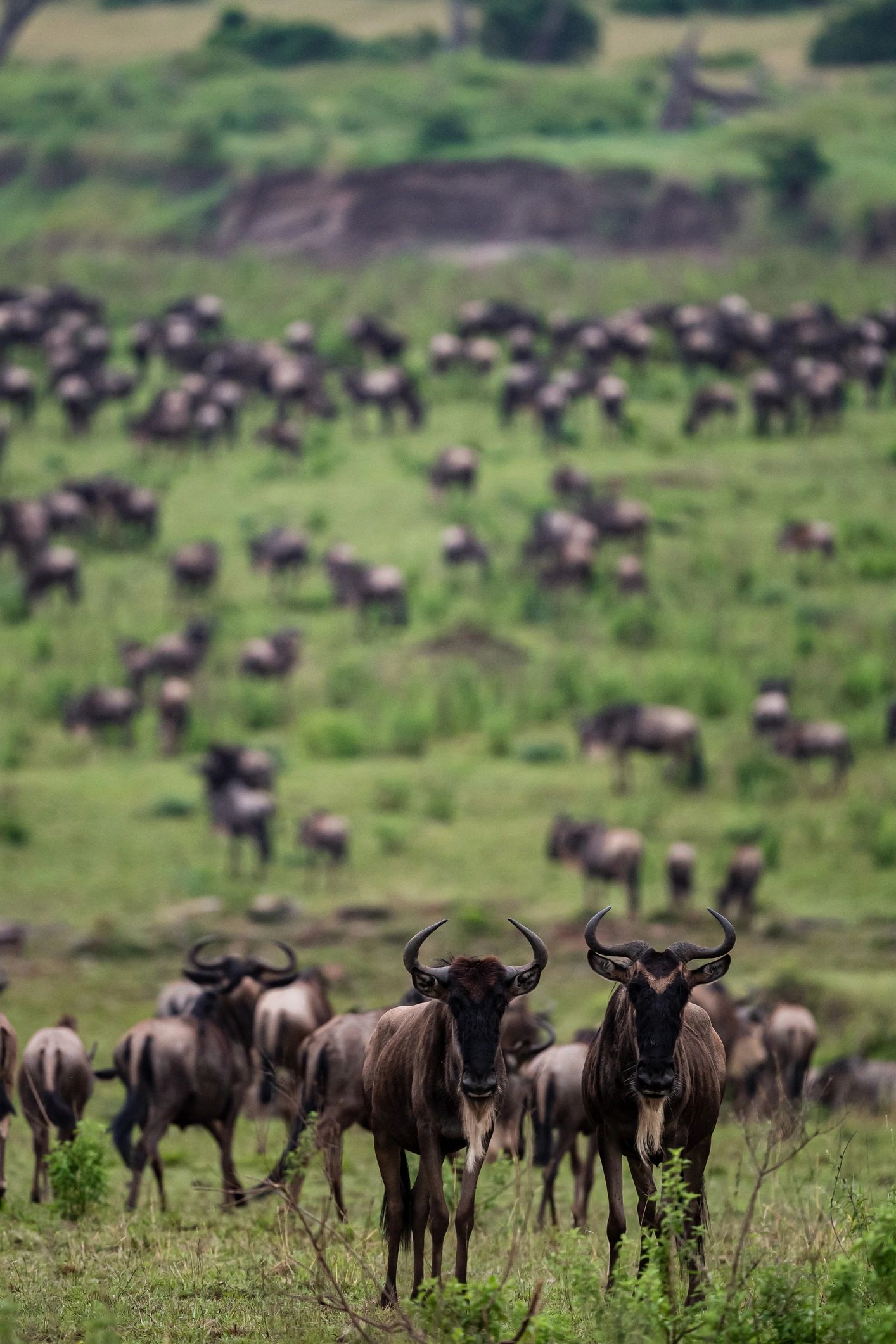
Witness the Great Migration, track the Big Five, and sleep under a sky so full of stars you'll forget the world you left behind.
Explore Safaris02
Your greatest story.
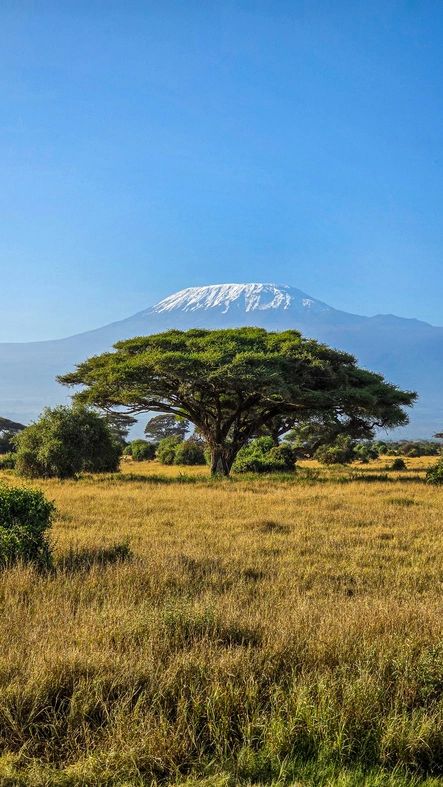
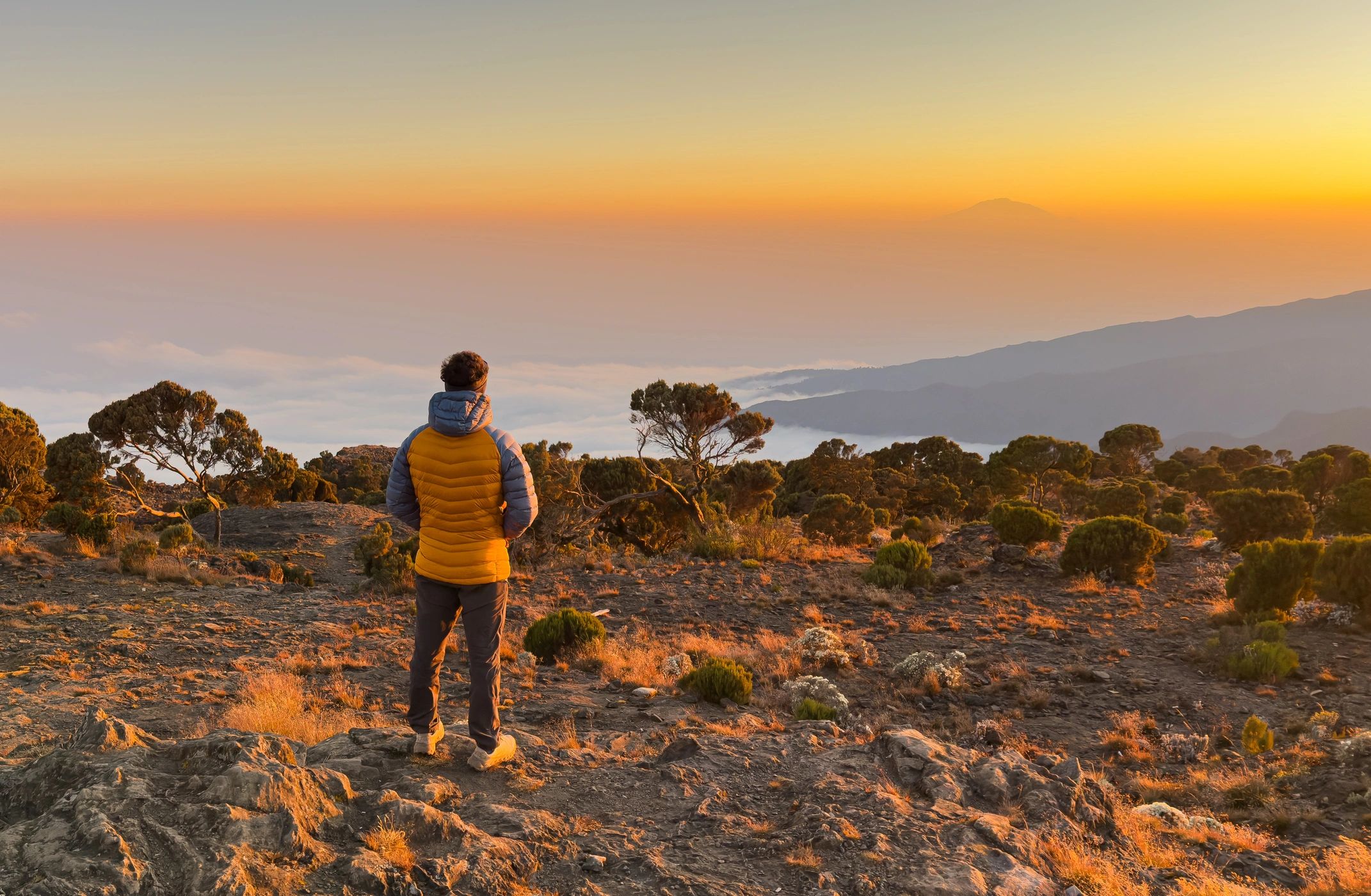
Stand on the roof of Africa. Our expert guides have led hundreds of climbers to Uhuru Peak — and they'll get you there too.
Plan Your Climb03
the sea.
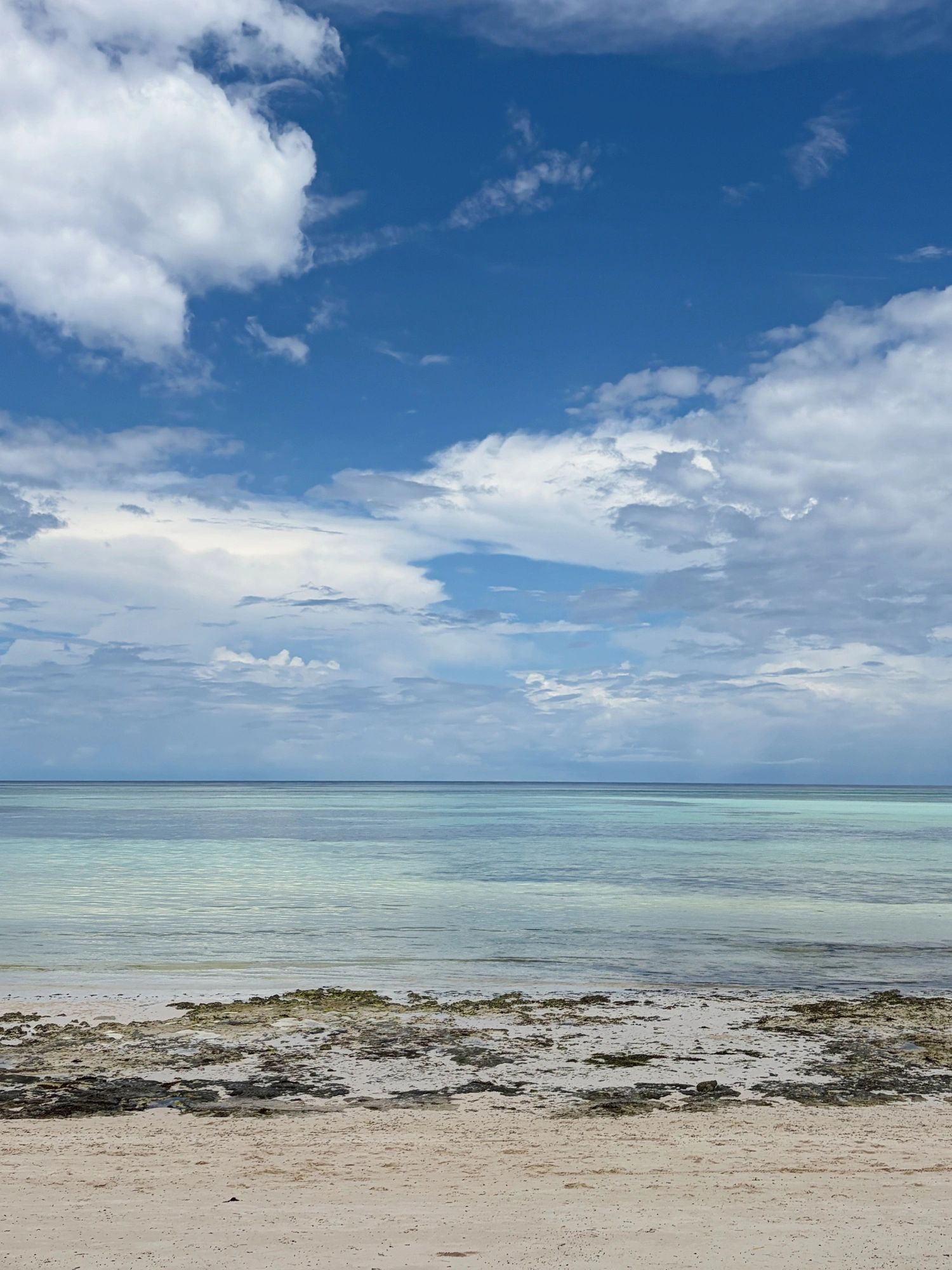
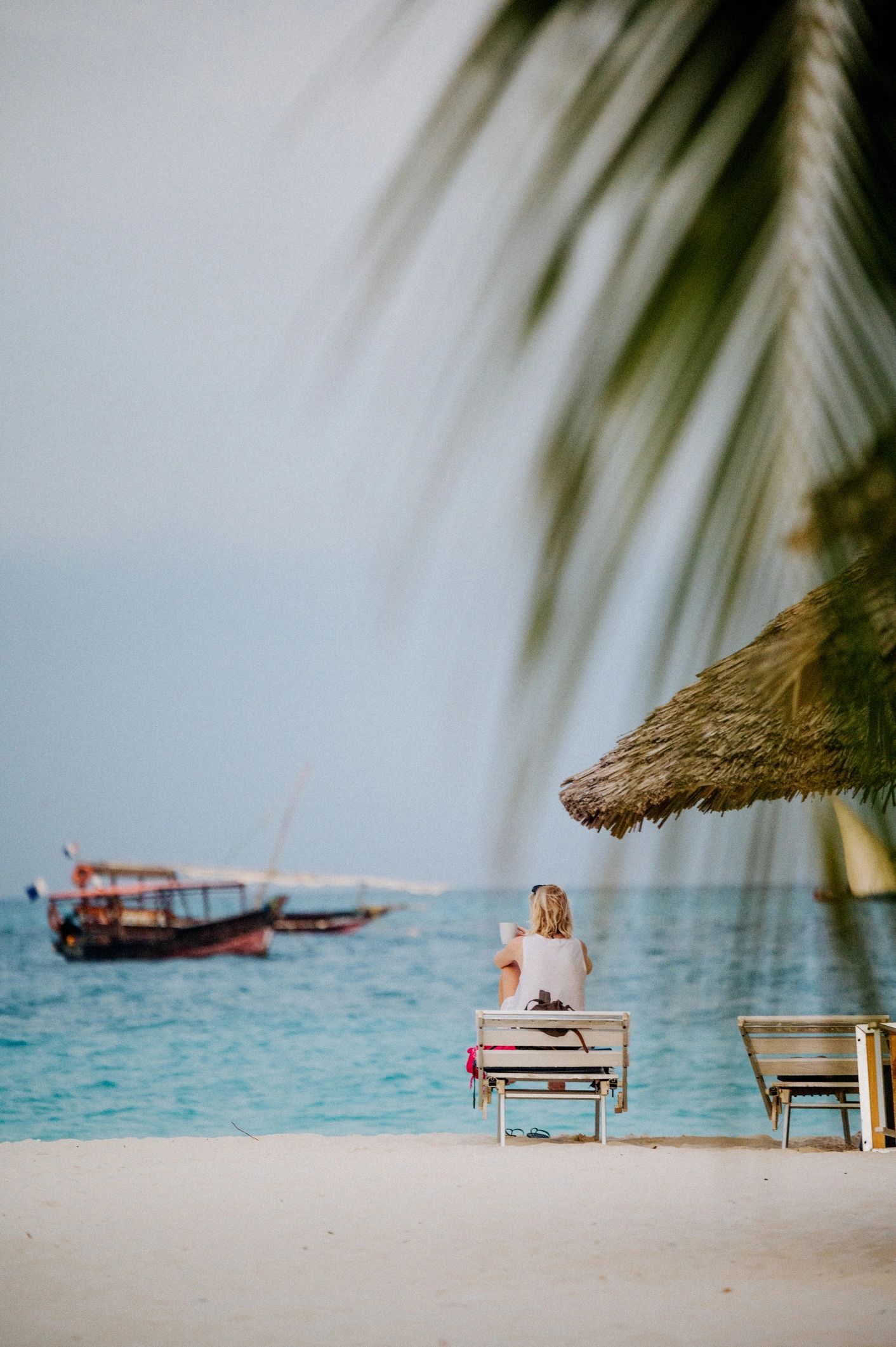
Turquoise waters, white sand, and the scent of spice in the air. Zanzibar is the perfect ending to any Tanzania adventure.
Discover Zanzibar04
Our expertise.
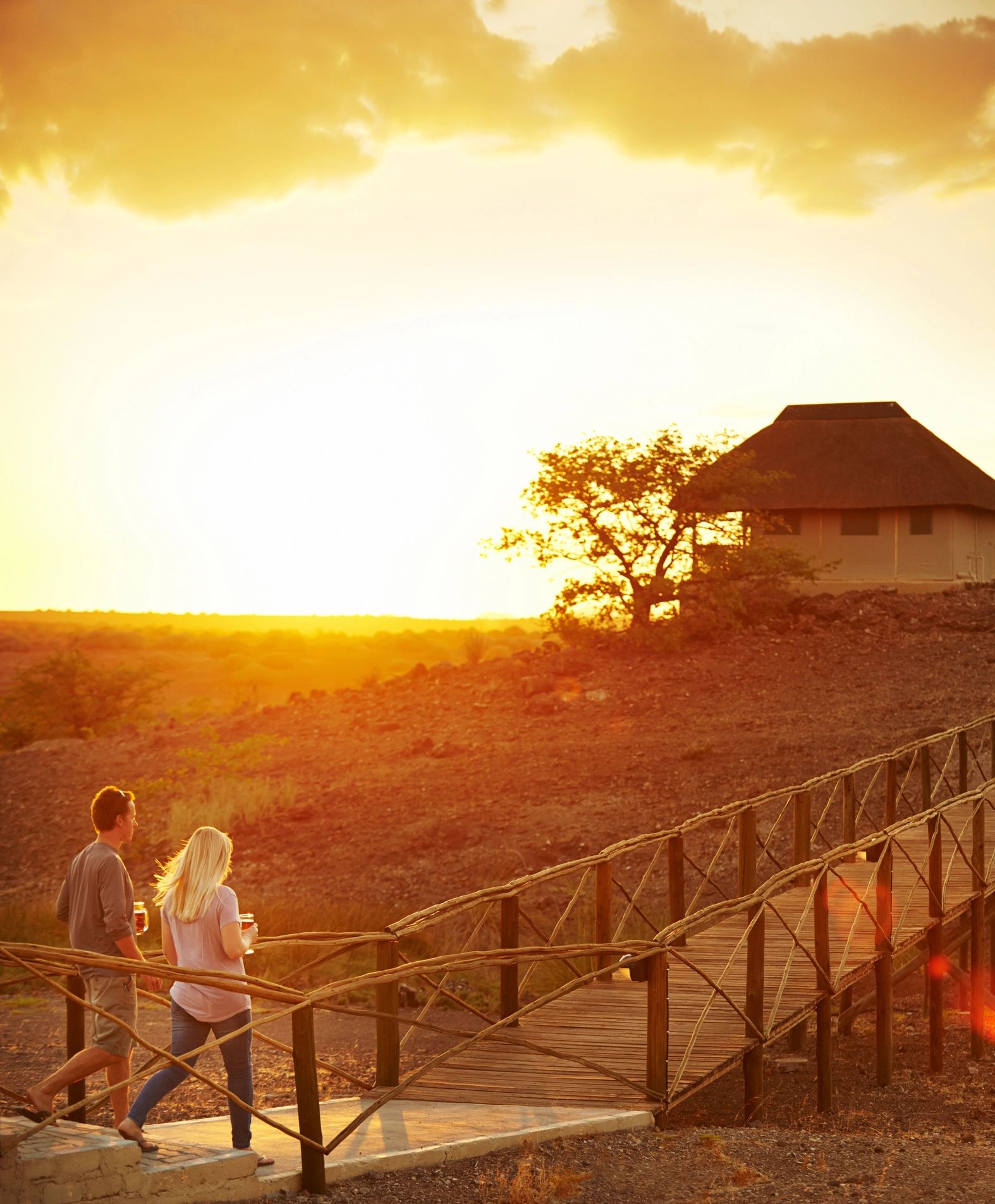
No two safaris are the same. We craft bespoke itineraries that match your pace, your passions, and your sense of adventure.
Start Planning500+safaris planned across Tanzania
and growing every season15+years of local expertise
deep roots in the land98%of guests recommend us
verified traveler reviews24/7support from departure to return
always a call away100%tailor-made itineraries
no two safaris alikeThree of our most requested safaris — each one complete, guided, and unforgettable.
Ask us anythingTanzania offers exceptional wildlife viewing year-round — the timing shapes your experience.
· from our planning guide
Tanzania offers exceptional wildlife viewing year-round, but the timing shapes your experience. The dry season — June through October — is the classic safari window. Vegetation thins, animals concentrate around water sources, and the Great Migration river crossings peak in July and August in the northern Serengeti.
The green season (November through May) brings its own rewards: fewer visitors, lower rates, lush landscapes, and the calving season in the southern Serengeti from January to March, when hundreds of thousands of wildebeest calves are born.
The truth is, there is no bad time to visit Tanzania — only different experiences. Whatever dates suit you, we will build an itinerary that makes the most of that exact season. We have been doing this long enough to know what shines in every month of the year, and we have the guest memories to prove it.
· peak migration crossings: july – august · calving season: january – marchFor peak season travel (June–October), we recommend booking 9–12 months in advance. The best camps and lodges in the Serengeti and Ngorongoro fill quickly, and securing your preferred dates early gives us the most flexibility to build the ideal itinerary.
For green season travel, 4–6 months is usually sufficient. If you have a specific event in mind — the Great Migration, calving season, or a family reunion — contact us as early as possible and we will work backwards from your dates.
That said, do not let a late decision stop you from reaching out. Our long-standing relationships across Tanzania's camp and lodge network mean we can often secure excellent alternatives at short notice — different properties, equally exceptional experiences. We will always be honest about what is available and propose options we would choose ourselves.
Every safari we arrange includes accommodation at hand-selected camps and lodges, all meals during your stay, game drives with a dedicated TATO-registered guide, park fees and conservation levies, and airport transfers within Tanzania.
International flights, travel insurance, visa fees, and personal spending are not included. We will provide a clear, itemised quote so you know exactly what is and is not covered before you commit.
· all quotes are fully itemised · no hidden feesMost nationalities require a visa to enter Tanzania. A single-entry tourist visa costs USD 50 and can be obtained on arrival at Kilimanjaro International Airport (JRO) or Julius Nyerere International Airport (DAR), or in advance through the Tanzania e-Visa portal.
Citizens of East African Community member states (Kenya, Uganda, Rwanda, Burundi, South Sudan, DRC) may enter without a visa. We recommend checking the current requirements for your passport well before travel, as policies can change.
Tanzania is one of Africa's most stable and welcoming destinations. The national parks and safari circuits are well-established, and the country has a long tradition of responsible tourism. Our guides are experienced, licensed, and deeply familiar with the areas we operate in.
As with any international travel, sensible precautions apply — travel insurance, awareness of your surroundings in cities, and following your guide's instructions in the bush. We brief every guest thoroughly before departure and remain reachable throughout your trip.
Absolutely. Tanzania is a wonderful destination for families, and we design itineraries with children in mind — choosing camps with family tents or interconnecting rooms, guides who are skilled at engaging younger travellers, and pacing that suits mixed-age groups.
Most camps welcome children aged 5 and above on game drives. Some exclusive camps have a minimum age of 12 for certain activities. We will match you with properties that are genuinely family-friendly and advise on any age restrictions for specific experiences.
Tanzania requires proof of yellow fever vaccination if you are arriving from a country where yellow fever is endemic. We strongly recommend consulting a travel health clinic 6–8 weeks before departure for personalised advice on malaria prophylaxis, typhoid, hepatitis A, and any other relevant vaccinations.
Malaria is present in Tanzania's national parks and coastal areas. Anti-malarial medication, long-sleeved clothing at dawn and dusk, and insect repellent are all important precautions. Your camp will also provide mosquito nets.
· consult a travel health clinic 6–8 weeks before departureNeutral-coloured, lightweight clothing is ideal — khaki, olive, and tan tones blend into the bush and keep you comfortable in the heat. Avoid bright colours and white, which can disturb wildlife and show dust. Layers are important: mornings and evenings on the Serengeti can be surprisingly cool.
Essential items include a wide-brimmed hat, high-SPF sunscreen, quality binoculars, a camera with a telephoto lens, and comfortable closed-toe shoes for walking. Most camps offer laundry services, so you do not need to overpack. We send every guest a detailed packing list when their booking is confirmed.
Tell us your dream and we'll craft an itinerary around it. Our Arusha-based team responds within 24 hours.