Tanzania Wildlife: What Animals Will You See on Safari?
From the Big Five to wild dogs and flamingos — Tanzania has the most diverse wildlife on earth. Here is what to expect, and where to find it.
Tanzania Wildlife: What Animals Will You See on Safari?
Tanzania is home to more wildlife than almost anywhere else on earth. The country protects over 38% of its land area in national parks, game reserves, and conservation areas — a commitment to wildlife that is unmatched on the continent.
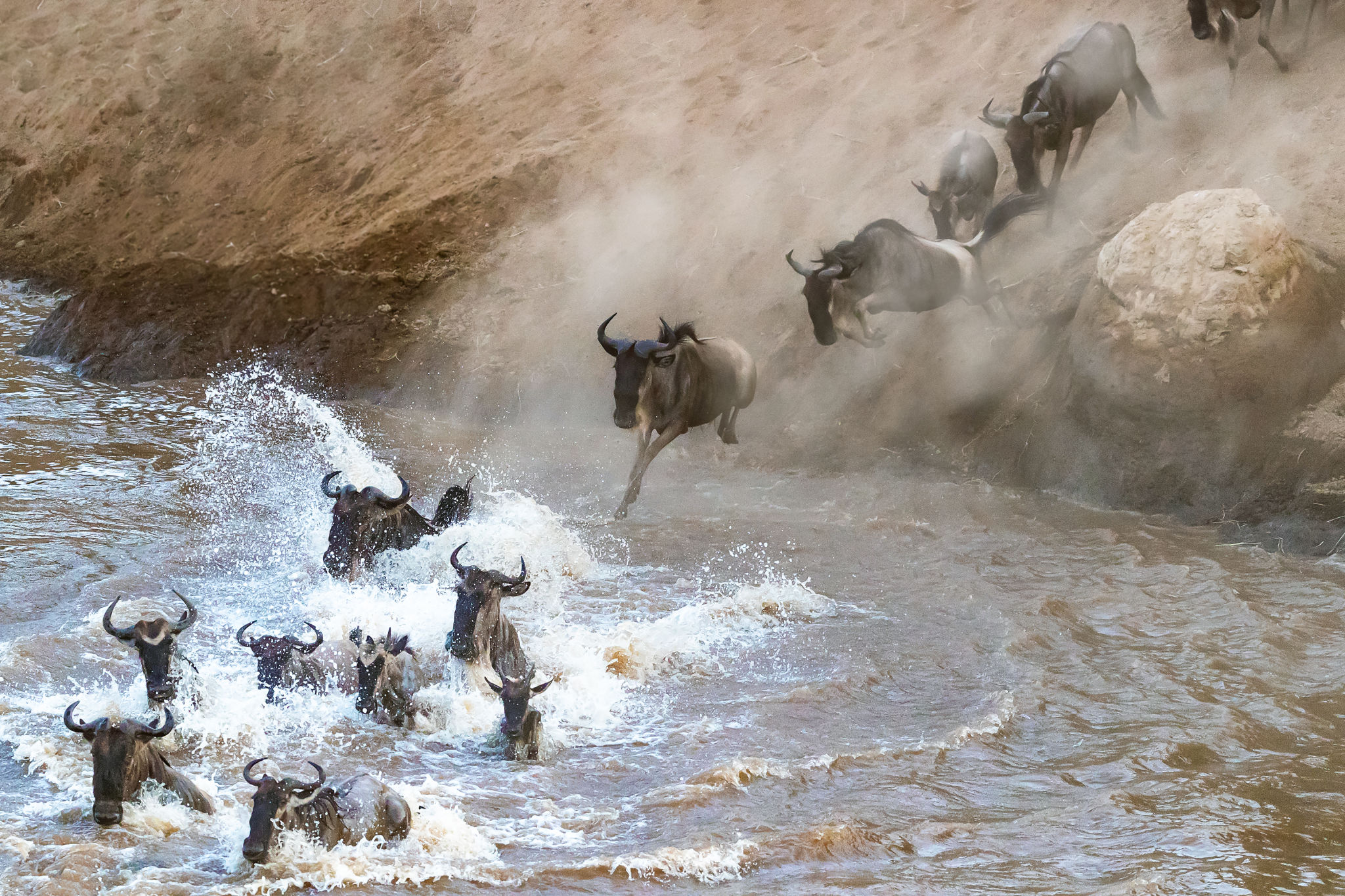
The result is a safari experience of extraordinary depth and variety. In a single week, you might watch a lion hunt at dawn, sit beside a herd of 300 elephants at a waterhole, and witness the Serengeti's wildebeest migration stretching to the horizon.
Here is what you can expect to see — and where to find it.
The Big Five
The term "Big Five" was coined by big-game hunters to describe the five most dangerous animals to hunt on foot. Today it describes the five animals every safari traveller hopes to see: lion, leopard, elephant, buffalo, and rhino.
Tanzania is one of the best places in Africa to see all five.
Lion
Tanzania has the largest lion population in Africa — approximately 40% of the continent's remaining lions live here. The Serengeti's lion prides are among the most studied in the world, and sightings are almost guaranteed in the dry season.
The Ngorongoro Crater's lions are particularly impressive — the males develop unusually dark, full manes due to the cooler temperatures at altitude. In Ruaha National Park, lions are known to hunt buffalo and even giraffe.
Best parks: Serengeti, Ngorongoro Crater, Ruaha, Tarangire.
Leopard
The most elusive of the Big Five, leopards are solitary, nocturnal, and masters of concealment. But Tanzania's parks offer some of the best leopard viewing in Africa.
In the Serengeti, leopards are often found resting in the branches of sausage trees and fig trees along the kopjes (granite outcrops). In Ruaha, they are more commonly seen on rocky hillsides. In Tarangire, the ancient baobab trees provide perfect leopard habitat.
Best parks: Serengeti (especially the Seronera area), Ruaha, Tarangire.
Elephant
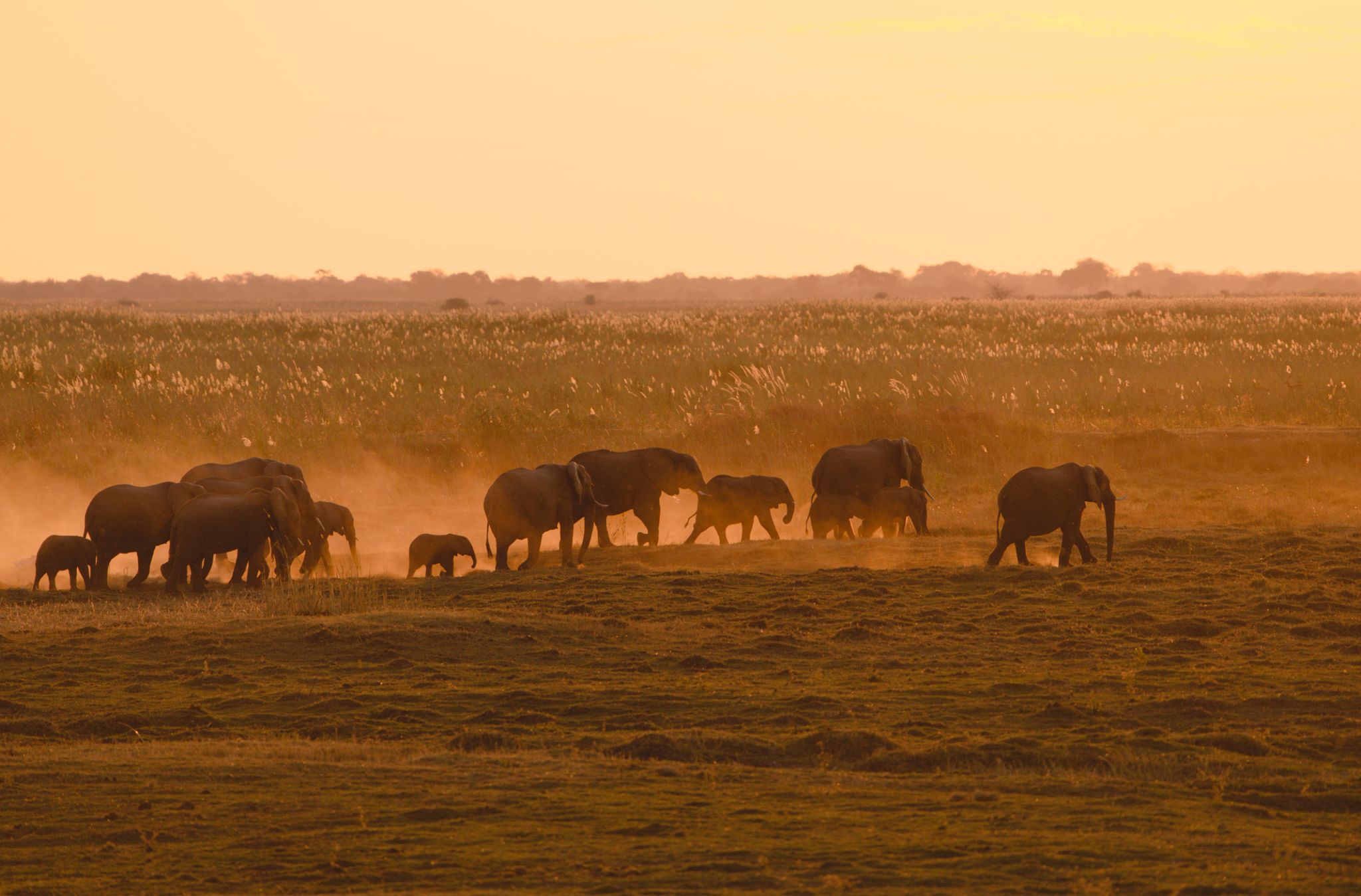
Tanzania has one of Africa's largest elephant populations — approximately 60,000 individuals. Tarangire National Park is famous for its elephant herds, which can number 200 or more during the dry season when they gather around the Tarangire River.
The Serengeti's elephants are more dispersed but no less impressive. The Ngorongoro Crater's bulls are known for their large tusks. In Ruaha, elephants are everywhere — the park protects one of Africa's most important elephant populations.
Best parks: Tarangire (especially June–October), Ruaha, Serengeti, Ngorongoro.
Buffalo
African buffalo are found in enormous numbers across Tanzania's parks. The Serengeti's buffalo herds can number in the thousands. In the Ngorongoro Crater, herds of several hundred are common on the crater floor.
Buffalo are a primary prey species for lions, and the interaction between the two species — hunts, stand-offs, and the occasional dramatic reversal — is one of the most compelling wildlife dramas on the savannah.
Best parks: Serengeti, Ngorongoro Crater, Tarangire, Ruaha.
Black and White Rhino
Tanzania has both black and white rhino, though both species are critically endangered and sightings require local knowledge and patience.
The Ngorongoro Crater has one of Africa's most reliable black rhino populations — approximately 30 individuals live on the crater floor, and our guides know their movements intimately. Serengeti National Park also has a small black rhino population.
Best parks: Ngorongoro Crater (black rhino), Serengeti (black rhino, rare).
The Great Predators
Cheetah
Tanzania's open plains are perfect cheetah habitat, and the Serengeti has one of Africa's largest cheetah populations. Cheetahs are diurnal — they hunt in daylight — which makes them far easier to observe than leopards.
The southern Serengeti and the Ndutu area are particularly good for cheetah sightings, especially during calving season when prey is abundant. Watching a cheetah hunt — the explosive acceleration, the precision, the speed — is one of the most thrilling wildlife experiences in Africa.
Best parks: Serengeti (especially southern plains), Ngorongoro Crater.
Wild Dog
African wild dogs are one of the most endangered carnivores in Africa, with fewer than 6,000 remaining. Tanzania's Ruaha National Park and Selous Game Reserve (now Nyerere National Park) are among the best places in the world to see them.
Wild dogs are pack hunters with a success rate far higher than lions or leopards. Watching a pack hunt is extraordinary — the coordination, the communication, the relentless pursuit.
Best parks: Ruaha, Nyerere (Selous), occasionally Serengeti.
Spotted Hyena
Hyenas are far more interesting than their reputation suggests. They are highly intelligent, live in complex matriarchal societies, and are actually more successful hunters than lions — despite the popular image of them as scavengers.
The Ngorongoro Crater has one of the highest hyena densities in Africa. Watching a hyena clan interact, or witnessing the dramatic confrontation between a hyena clan and a lion pride over a kill, is one of the crater's most compelling experiences.
Best parks: Ngorongoro Crater, Serengeti.
Elephants, Giraffes, and the Plains Game
Giraffe
Tanzania has both Masai giraffe (the most common subspecies) and the rarer reticulated giraffe. Giraffes are found across most of Tanzania's parks and are a constant, elegant presence on the savannah.
Zebra
Tanzania has two zebra species: the common plains zebra and the rarer Grevy's zebra in the north. Plains zebra are found in enormous numbers across the Serengeti — they are the second most numerous species in the Great Migration after wildebeest.
Hippo
Hippos are found in rivers and lakes throughout Tanzania. The Katavi National Park in western Tanzania has one of Africa's largest hippo concentrations. In the Serengeti, hippo pools along the Mara and Grumeti rivers are reliable sighting spots.
Flamingo
Lake Manyara and the soda lakes of the Rift Valley — particularly Lake Natron — host extraordinary flamingo concentrations. At peak times, the lakes turn pink with hundreds of thousands of lesser and greater flamingos.
Birdlife
Tanzania has over 1,100 recorded bird species — one of the highest totals in Africa. Even travellers who do not consider themselves birdwatchers are typically astonished by the variety and colour of Tanzania's birds.
Highlights include the lilac-breasted roller (Tanzania's most photographed bird), the secretary bird, the kori bustard (the world's heaviest flying bird), the grey crowned crane, and dozens of species of eagles, vultures, and storks.
The wet season (November–April) brings migratory species from Europe and Asia, making it the best time for serious birdwatching.
Planning Your Wildlife Safari
The wildlife you see depends on where you go and when you visit. Our guides build every itinerary around maximising your wildlife encounters — matching your travel dates to the right parks, the right seasons, and the right experiences.
Contact us to tell us what wildlife you most want to see, and we will design an itinerary around it.
Explore Topics
Written by
Henry Mejooli, Absolute Wilderness
Content creator and writer sharing insights and stories.