Ngorongoro Crater: Africa's Greatest Wildlife Arena
The world's largest intact volcanic caldera is home to the densest concentration of large mammals on earth. Here is everything you need to know before you visit.
Ngorongoro Crater: Africa's Greatest Wildlife Arena
Imagine a natural amphitheatre 19 kilometres wide, 600 metres deep, and home to approximately 25,000 large mammals — including some of Africa's last remaining black rhino. Now imagine descending into it at dawn, the crater walls rising around you, a lion pride watching your vehicle from the short grass.
That is the Ngorongoro Crater. And it is unlike anywhere else on earth.
What Is the Ngorongoro Crater?
The Ngorongoro Crater is the world's largest intact and unflooded volcanic caldera. It was formed approximately 2.5 million years ago when a massive volcano collapsed inward on itself, creating a bowl roughly the size of the city of Arusha.
The crater floor — 260 square kilometres of grassland, forest, swamp, and lake — is a self-contained ecosystem. Most of the animals that live here never leave. The crater walls act as a natural enclosure, concentrating wildlife at densities found nowhere else in Africa.
In 1979, UNESCO designated the Ngorongoro Conservation Area a World Heritage Site. It is one of Tanzania's most visited destinations — and one of the most rewarding.
Wildlife in the Ngorongoro Crater
The Big Five
The Ngorongoro Crater is one of the best places in Africa to see all five of the Big Five in a single day.
Lions are the crater's most visible predators. Several prides call the crater floor home, and sightings are almost guaranteed. The crater lions are distinctive — the males are known for their dark, full manes, a result of the cooler temperatures at altitude.
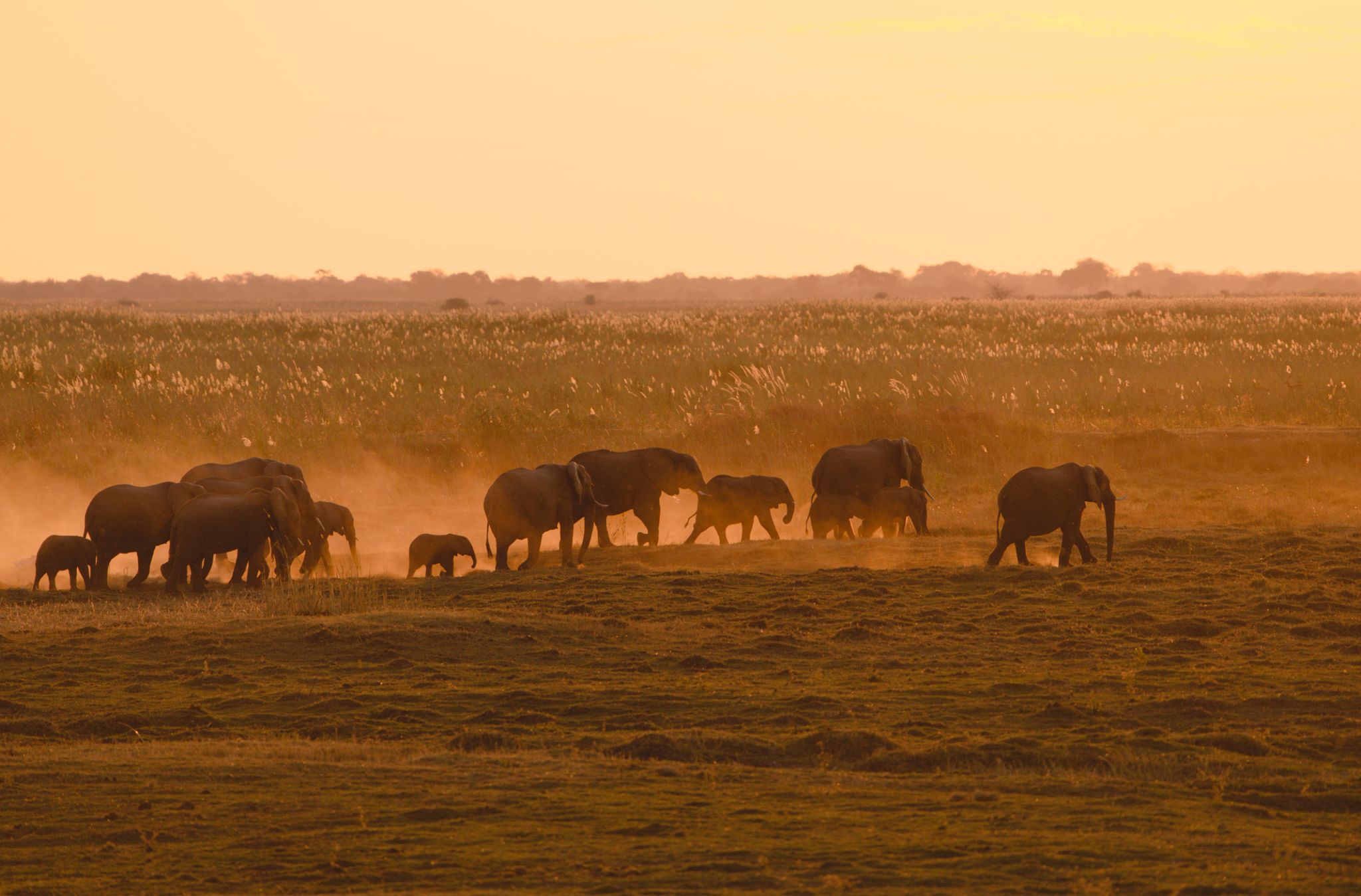
Elephants move between the crater floor and the surrounding highlands. The bulls that descend into the crater are typically large, old males with impressive tusks.
Buffalo are present in enormous numbers — herds of several hundred are common on the crater floor. They are a primary prey species for the crater's lions.
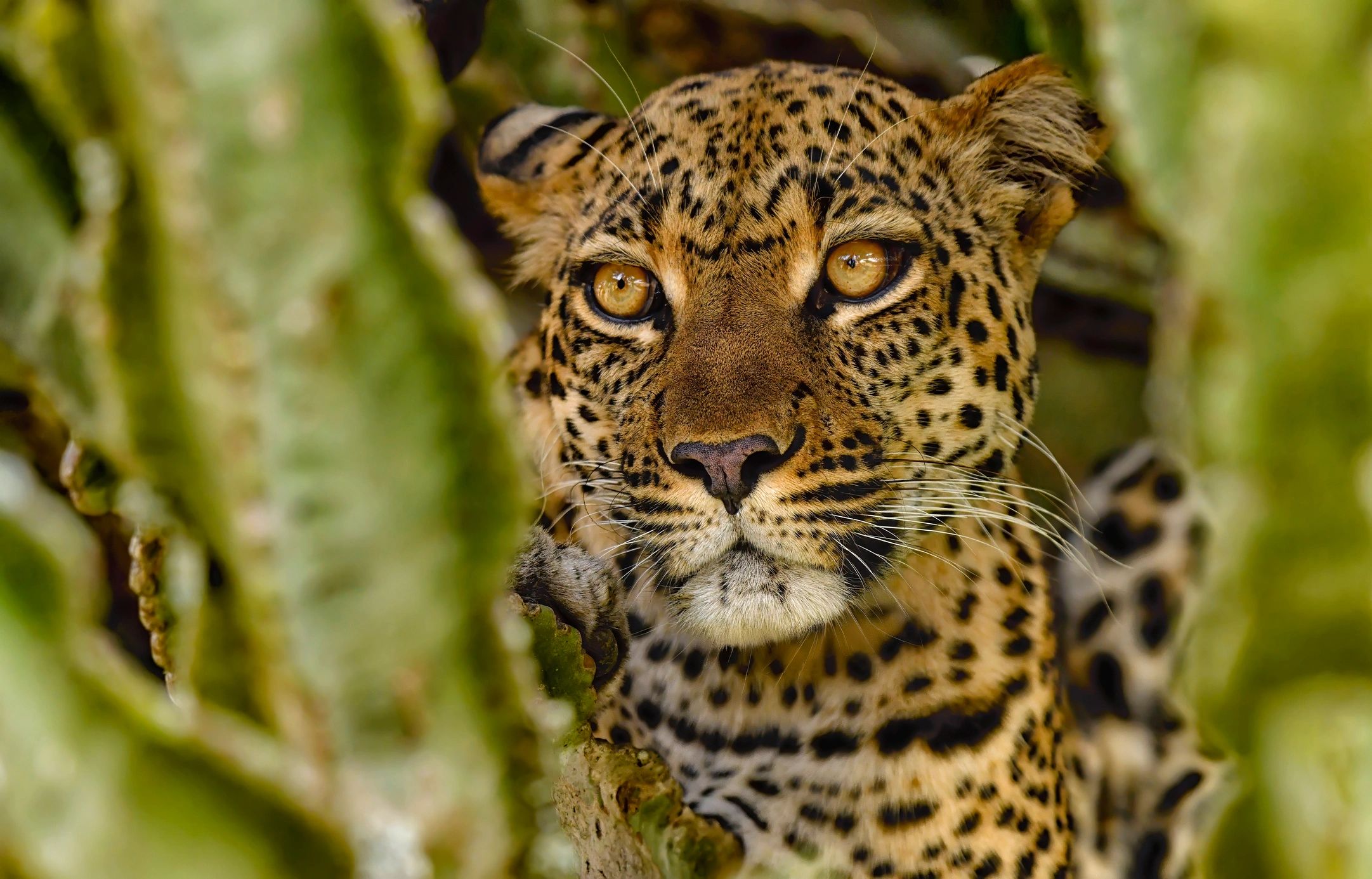
Leopards are present but elusive. The forested sections of the crater rim and the Lerai Forest on the crater floor are the best places to look.
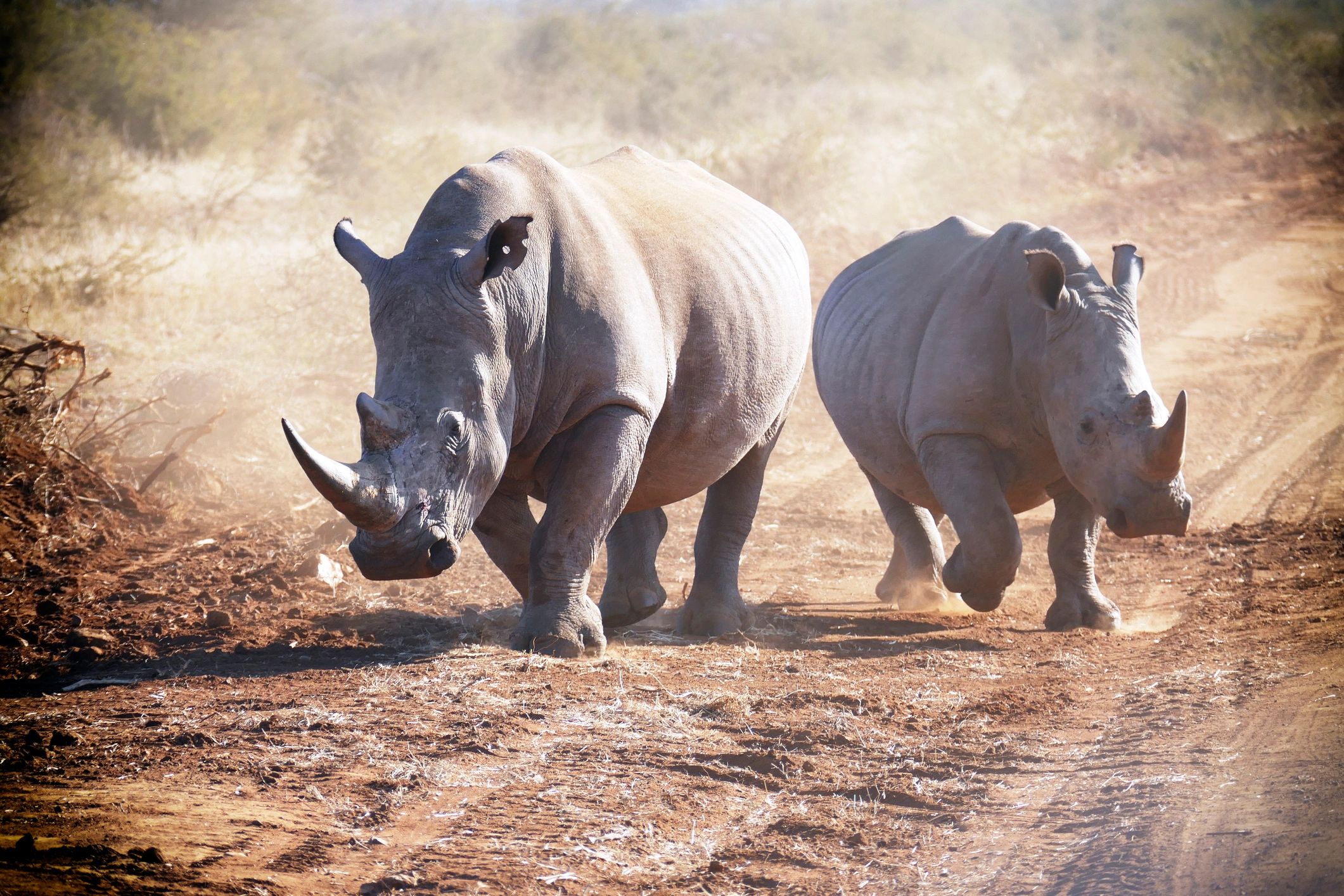
Black Rhino — this is where the Ngorongoro Crater becomes truly extraordinary. Tanzania has one of Africa's last viable populations of critically endangered black rhino, and the crater is one of the most reliable places on the continent to see them. Sightings are not guaranteed, but our guides know the crater intimately and will give you the best possible chance.
Other Wildlife
Beyond the Big Five, the crater supports extraordinary biodiversity:
- Hippos in the Mandusi Swamp and Ngoitokitok Spring
- Flamingos on Lake Magadi, sometimes in their thousands
- Spotted hyenas — the crater has one of the highest hyena densities in Africa
- Golden jackals and bat-eared foxes on the open grasslands
- Cheetahs — less common than in the Serengeti, but present
- Over 500 bird species, including the spectacular crowned crane
The Crater Rim: A World Apart
The Ngorongoro Crater rim sits at approximately 2,300 metres above sea level. The air is cool, the vegetation is lush, and the views into the crater are staggering.
The rim is home to some of Tanzania's most atmospheric lodges — perched on the crater edge, with uninterrupted views across the caldera. Waking up above the clouds, with the crater stretching below you, is one of Africa's great travel experiences.
The surrounding Ngorongoro Conservation Area is also home to the Maasai people, who have lived alongside wildlife here for centuries. A visit to a Maasai village on the crater rim is a genuine cultural encounter that we include in many of our itineraries.
Practical Information
Getting There
The Ngorongoro Crater is approximately 180 kilometres west of Arusha, a three-hour drive on good roads. It is almost always combined with the Serengeti — the two parks share a border, and the road between them passes through some of Tanzania's most beautiful highland scenery.
Visiting the Crater Floor
Access to the crater floor is strictly controlled. All vehicles must be registered 4WD safari vehicles with a licensed guide. The number of vehicles on the crater floor at any one time is limited, which helps preserve the experience.
A full day on the crater floor — descending at dawn and ascending in the late afternoon — is the ideal way to experience it. Half-day visits are possible but limiting.
Best Time to Visit
The Ngorongoro Crater is excellent year-round. The dry season (June–October) offers the clearest views and the best road conditions on the crater floor. The wet season brings dramatic skies, lush vegetation, and extraordinary birdlife — and the crater's resident wildlife is always present regardless of season.
What to Bring
- Warm layers — the crater rim is cool, especially at dawn and dusk
- Binoculars — essential for spotting rhino across the crater floor
- A good camera with a telephoto lens
- Patience — the rhino in particular require time and local knowledge to find
Combining Ngorongoro with Other Parks
The Ngorongoro Crater is almost always part of a broader Tanzania itinerary. The most popular combinations:
Ngorongoro + Serengeti: The classic Tanzania safari. The two parks are adjacent, and the contrast between the enclosed crater ecosystem and the vast open plains of the Serengeti is extraordinary.
Ngorongoro + Tarangire: Tarangire's enormous elephant herds and ancient baobab trees make a perfect complement to the crater's concentrated wildlife.
Ngorongoro + Zanzibar: After the intensity of the crater and the Serengeti, a few days on Zanzibar's white-sand beaches is the perfect way to end a Tanzania trip.
Plan Your Ngorongoro Safari
Our guides have spent years learning the Ngorongoro Crater's rhythms — where the rhino move in the early morning, which pride of lions is most active at dawn, where the flamingos gather on Lake Magadi.
We build every itinerary around your interests and travel dates. Contact us to start planning your Ngorongoro safari.
Explore Topics
Written by
Henry Mejooli, Absolute Wilderness
Content creator and writer sharing insights and stories.