Climbing Kilimanjaro: The Complete Guide for 2026
At 5,895 metres, Kilimanjaro is the highest peak in Africa and one of the most accessible high-altitude climbs in the world. Here is everything you need to know to reach the summit.
Climbing Kilimanjaro: The Complete Guide for 2026
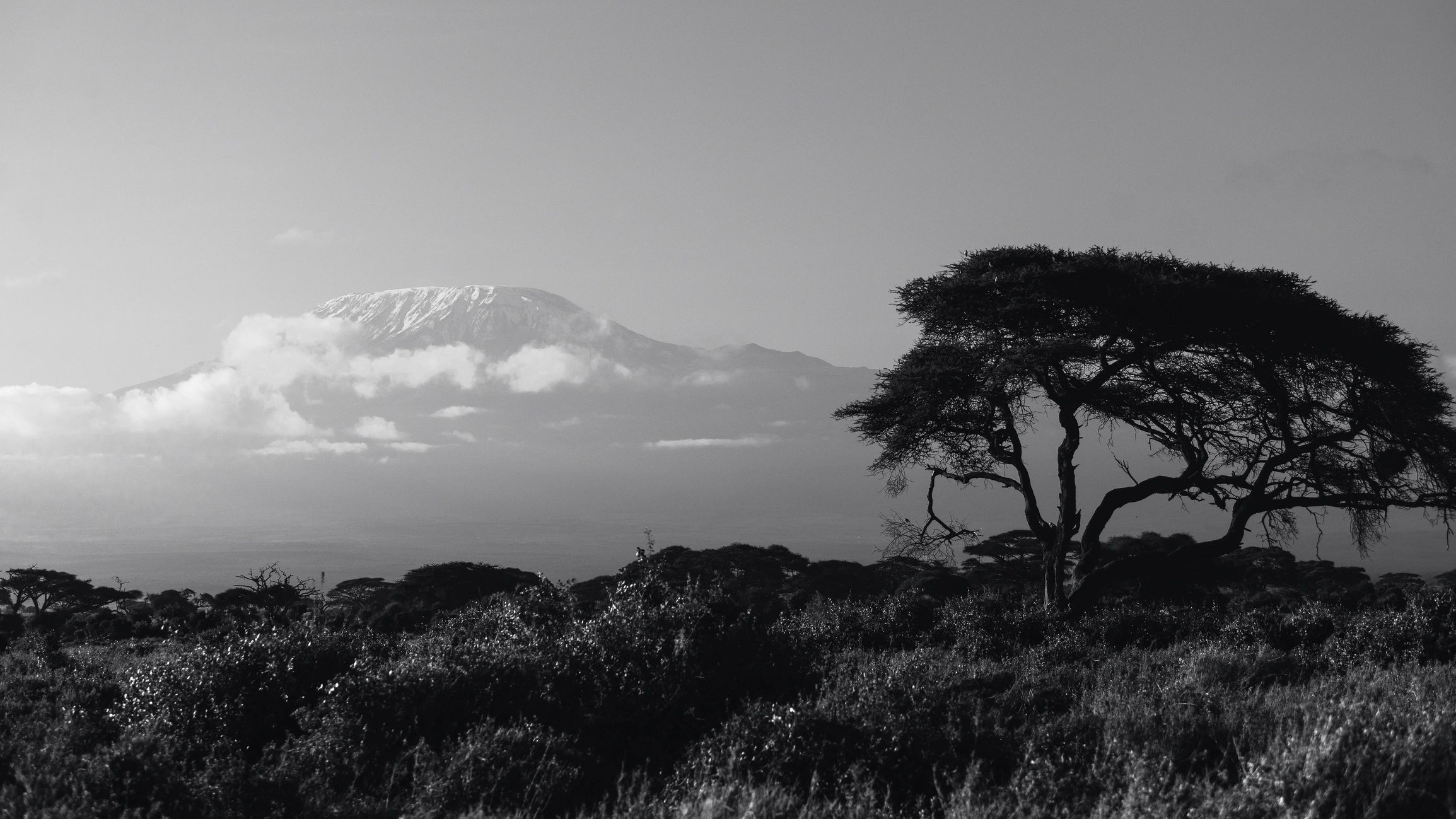
At 5,895 metres above sea level, Mount Kilimanjaro is the highest peak in Africa, the highest free-standing mountain in the world, and one of the most extraordinary experiences a traveller can have in Tanzania.
Unlike most mountains of comparable altitude, Kilimanjaro requires no technical climbing skills. There are no ropes, no crampons, no ice axes. What it requires is preparation, patience, and the right team beside you.
Our guides at Absolute Wilderness have led hundreds of climbers to Uhuru Peak — the summit crater rim. This is everything we know.
The Routes: Which One Is Right for You?
Kilimanjaro has seven established climbing routes. Each offers a different experience in terms of scenery, duration, difficulty, and — most importantly — acclimatisation profile. Choosing the right route is the single most important decision you will make.
Lemosho Route — Our Top Recommendation
Duration: 7–8 days | Success rate: ~90% | Difficulty: Moderate
The Lemosho Route is widely considered the finest route on the mountain. It approaches from the west, traversing the full width of the Shira Plateau before joining the Southern Circuit to the summit. The longer duration and gradual altitude gain give your body the best possible chance to acclimatise.
The scenery is extraordinary — you pass through five distinct ecological zones, from rainforest to alpine desert to the glaciated summit. And because it is less trafficked than the Machame or Marangu routes, the experience feels genuinely remote.
We recommend Lemosho for: First-time climbers, those prioritising success rate, anyone who wants the most scenic experience.
Machame Route — The Most Popular
Duration: 6–7 days | Success rate: ~85% | Difficulty: Moderate to challenging
The Machame Route — nicknamed the "Whiskey Route" — is the most popular route on Kilimanjaro. It is more challenging than Lemosho, with steeper sections and a more demanding acclimatisation profile, but the scenery is spectacular and the route has excellent infrastructure.
The 7-day option adds a crucial acclimatisation day and significantly improves summit success rates over the 6-day version.
We recommend Machame for: Fit, experienced trekkers who want a challenging route with good infrastructure.
Rongai Route — The Northern Approach
Duration: 6–7 days | Success rate: ~85% | Difficulty: Moderate
The Rongai Route is the only route that approaches Kilimanjaro from the north, near the Kenyan border. It is drier than the southern routes, less crowded, and offers a completely different perspective on the mountain.
The descent is via the Marangu Route, which means you experience two different sides of the mountain.
We recommend Rongai for: Those who want a quieter experience, travellers visiting during the rainy season (the northern slopes receive less rainfall).
Marangu Route — The "Coca-Cola Route"
Duration: 5–6 days | Success rate: ~65% | Difficulty: Moderate
The Marangu Route is the oldest and most established route on Kilimanjaro. It is the only route with hut accommodation rather than tents, which makes it popular with climbers who prefer not to camp.
However, its shorter duration and less favourable acclimatisation profile result in the lowest summit success rate of the major routes. We generally recommend other routes for climbers who are serious about reaching the summit.
We recommend Marangu for: Climbers who strongly prefer hut accommodation and understand the trade-off in success rate.
Altitude and Acclimatisation: The Critical Factor
Altitude sickness is the primary reason climbers fail to reach the summit. It has nothing to do with fitness — elite athletes have turned back from Kilimanjaro while less fit climbers have reached the top. It is purely a physiological response to reduced oxygen at altitude.
The key to acclimatisation is the principle of "climb high, sleep low" — ascending to altitude during the day and descending slightly to sleep. The Lemosho and Machame routes are designed around this principle.
Symptoms of altitude sickness to watch for:
- Headache (the most common symptom)
- Nausea and loss of appetite
- Fatigue beyond what is expected from the day's exertion
- Dizziness
- Difficulty sleeping
Our guides are trained to monitor every climber for altitude sickness symptoms throughout the climb. If symptoms are severe, descent is the only safe option — and our guides will make that call without hesitation.
Diamox (acetazolamide): Many climbers take Diamox as a prophylactic to reduce altitude sickness symptoms. We recommend consulting your doctor before the climb about whether it is appropriate for you.
The Five Ecological Zones
One of Kilimanjaro's most remarkable features is the journey through five completely distinct ecological zones as you ascend:
1. Cultivation Zone (800–1,800m): Coffee and banana plantations on the lower slopes. You pass through this zone on the approach to the park gate.
2. Rainforest Zone (1,800–2,800m): Dense montane forest, alive with birds, colobus monkeys, and the sound of running water. Cool, misty, and atmospheric.
3. Heath and Moorland Zone (2,800–4,000m): Giant heather, lobelia, and groundsel — plants that grow to extraordinary sizes at altitude. The landscape becomes increasingly dramatic.
4. Alpine Desert Zone (4,000–5,000m): Sparse vegetation, rocky terrain, and wide open skies. The air is noticeably thinner here.
5. Arctic Zone (5,000–5,895m): Ice, rock, and the summit glaciers. A landscape that feels like another planet.
Summit Night: What to Expect
Summit night is the most demanding part of the climb — and the most unforgettable. You leave camp at midnight, climbing through the dark with headlamps, aiming to reach the crater rim at Stella Point (5,756m) at sunrise.
The final push from Stella Point to Uhuru Peak (5,895m) takes another 45 minutes to an hour. The altitude is extreme, the cold is intense (temperatures can drop to -20°C), and every step requires deliberate effort.
And then you are there. The highest point in Africa. The sun rising over the clouds below you. The glaciers catching the light. The silence.
Our guides describe it as the moment that makes everything worthwhile. Every climber we have taken to the summit agrees.
Best Time to Climb Kilimanjaro
Kilimanjaro can be climbed year-round, but there are two optimal windows:
January – March: Clear skies, cold temperatures, and excellent visibility. The mountain is quieter than the peak season. The summit is often above the clouds.
June – October: The dry season, with stable weather and the best overall conditions. This is peak season — the mountain is busier, but the weather is reliable.
Avoid: April and May (long rains) and November (short rains). The mountain is climbable but conditions are more challenging and the views are often obscured.
What to Pack
The key to packing for Kilimanjaro is the layering system. Temperatures range from warm and humid in the rainforest to well below freezing at the summit.
Essential clothing:
- Moisture-wicking base layers (2–3 sets)
- Insulating mid-layer (fleece or down jacket)
- Waterproof outer shell (jacket and trousers)
- Summit-weight down jacket (for summit night)
- Warm hat, balaclava, and gloves (including waterproof outer gloves)
- Gaiters
- Trekking boots (broken in before the climb)
- Camp shoes or sandals
Essential gear:
- Trekking poles (strongly recommended — they reduce knee strain on the descent)
- Headlamp with spare batteries
- Sunglasses (UV protection is critical at altitude)
- High-SPF sunscreen and lip balm
- Water bottles or hydration system (3 litres minimum)
- Personal first aid kit
What we provide: All camping equipment, meals, and porters to carry your gear (up to 15kg of personal kit).
Combining Kilimanjaro with a Safari
Most of our Kilimanjaro climbers combine the climb with a Tanzania safari. The contrast is extraordinary — from the physical challenge of the mountain to the stillness of watching a lion pride at dawn on the Serengeti.
Our most popular combination is a 7-day Lemosho climb followed by 4–5 days on safari in the Serengeti and Ngorongoro Crater. We handle all logistics, transfers, and accommodation.
Plan Your Kilimanjaro Climb
Our guides have led hundreds of climbers to Uhuru Peak. We know the mountain in every season, every weather condition, and every mood.
Contact us to start planning your Kilimanjaro climb. We will match you with the right route, the right duration, and the right team.
Explore Topics
Written by
Henry Mejooli, Absolute Wilderness
Content creator and writer sharing insights and stories.