The Complete Guide to All-Inclusive Tanzania Safaris
Everything you need to know about all-inclusive Tanzania safaris — what's included, which camps deliver real value, and why booking through a specialist like Absolute Wilderness makes the difference.

The Complete Guide to All-Inclusive Tanzania Safaris
Tanzania is one of the last places on earth where wildlife moves on its own terms — where a lion pride can hold up your Land Cruiser for twenty minutes and nobody minds. An all-inclusive safari is the most seamless way to experience it. No tallying up drinks at the bar, no surprise charges at checkout, no decisions about which game drive to skip because of the cost. You arrive, you go out, you come back. The wilderness does the rest.
This guide covers everything you need to know before you book.
What "All-Inclusive" Actually Means on a Tanzania Safari
The term is used loosely in the safari industry, so it pays to read the fine print. At Absolute Wilderness, all-inclusive means:
- All meals — breakfast, lunch, afternoon tea, and dinner, prepared fresh at camp
- All game drives — morning, afternoon, and often a full-day drive with a bush picnic
- Park fees — Serengeti, Ngorongoro, Tarangire, and wherever else your itinerary takes you
- Accommodation — your tent or lodge, with all the linen, hot water, and atmosphere that comes with it
- Local drinks — soft drinks, beer, house wine, and spirits throughout the day
- Laundry service — most camps in Tanzania include this; it matters on a 10-day trip
- Transfers — between camps, to and from the airstrip, and in some cases the international airport
What is typically not included: international flights, visas, travel insurance, and premium imported spirits. Some camps also exclude certain specialist activities — walking safaris, night drives, or hot-air balloon flights — which are priced separately. We are always transparent about this when we build your itinerary.
Why All-Inclusive Makes Sense in Tanzania
Tanzania's national parks charge some of the highest conservation fees in Africa. Serengeti alone costs around $80 per person per day just to enter. Add game drive fees, guide fees, and the cost of fuel across vast distances, and the numbers add up quickly. When these are bundled into a single rate, you stop thinking about money and start thinking about wildlife.
There is also a practical argument. Tanzania's best camps are remote. The nearest ATM might be two hours away by bush plane. An all-inclusive structure means you arrive with a clear budget and leave with no surprises.
The Camps That Deliver Real Value
Not all all-inclusive camps are equal. The difference between a camp that feels genuinely generous and one that feels like it is rationing your experience comes down to a few things: the quality of the guiding, the food, and whether the camp actually cares about the wildlife rather than just the occupancy rate.
Serengeti
The Serengeti is Tanzania's flagship park — 14,763 square kilometres of open savanna, acacia woodland, and riverine forest. The migration passes through here between December and July, and resident wildlife is extraordinary year-round.
The best all-inclusive camps in the Serengeti position themselves close to the action. Mobile camps that follow the migration offer an intimacy that fixed lodges cannot match — you wake up to wildebeest moving past your tent, not a car park.
Ngorongoro Crater
The Crater is a world unto itself. Roughly 25,000 animals live within its walls, including one of Tanzania's last stable populations of black rhino. An all-inclusive stay here typically includes a full-day crater floor drive — the park fee alone for this is significant, so having it bundled matters.
Tarangire
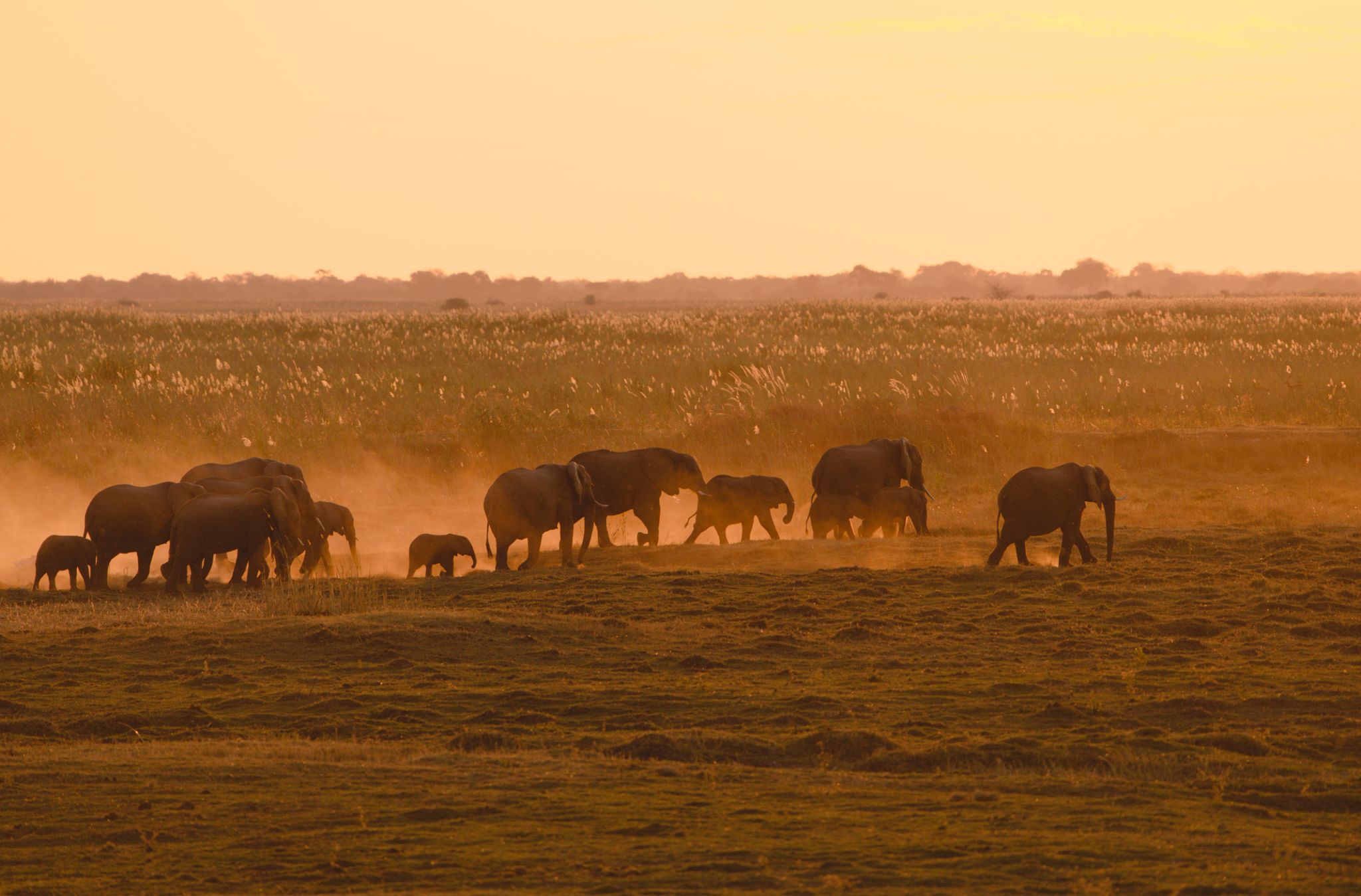
Often overlooked in favour of the Serengeti, Tarangire is exceptional between July and October when the Tarangire River becomes the only reliable water source for hundreds of kilometres. Elephant herds of 200 or more are not unusual. The baobab trees are ancient and enormous. The camps here tend to be quieter and more personal.
Ruaha
Tanzania's largest national park and one of Africa's best-kept secrets. Ruaha sees a fraction of the visitors that the northern circuit attracts, which means you can spend an entire morning with a pack of wild dogs without another vehicle in sight. All-inclusive camps here are genuinely remote — the kind of place where the silence at night is total.
How to Choose the Right All-Inclusive Package
Match the Season to Your Priorities
Tanzania has two distinct seasons, and the right time to visit depends on what you want to see.
July to October is the dry season. Animals concentrate around water sources, making sightings predictable and dense. The Great Migration river crossings in the northern Serengeti happen during this period. This is peak season — camps fill up and prices reflect that.
November to June includes the short rains (November–December) and the long rains (March–May). The landscape turns green and lush. Calving season in the southern Serengeti (January–February) brings thousands of newborn wildebeest and the predators that follow them. Prices are lower, and the parks are quieter.
Think About the Circuit
Tanzania's northern circuit — Serengeti, Ngorongoro, Tarangire, Lake Manyara — is the classic route and for good reason. But combining it with the southern circuit (Ruaha, Nyerere) or adding Zanzibar at the end creates a trip that covers the full range of what Tanzania offers.
A well-designed all-inclusive itinerary moves you between camps by light aircraft, which saves days of driving and gives you an aerial perspective of the landscape that is extraordinary in its own right.
Ask About the Guiding
The guide is the most important variable in any safari. A great guide turns a good sighting into an unforgettable one — they know the animals by name, they understand behaviour, and they know where to be before the action starts. At Absolute Wilderness, all our guides are Tanzanian, most have been working in the parks for over a decade, and several have grown up in the communities that border the parks they work in.
What to Expect Day to Day
A typical day on an all-inclusive Absolute Wilderness safari looks something like this:
5:30 am — Wake-up call with tea or coffee brought to your tent. The light at this hour is extraordinary.
6:00 am — Morning game drive. This is the best time to find predators still active from the night.
9:30 am — Return to camp for a full breakfast. Hot food, fresh fruit, good coffee.
11:00 am — Optional activities: guided bush walk, birding, or time at camp to rest and read.
1:00 pm — Lunch. Most camps serve this in the dining area or, on full-day drives, as a bush picnic.
4:00 pm — Afternoon game drive. The light softens, the animals become active again.
7:00 pm — Sundowner drinks in the bush, then back to camp for dinner under the stars.
9:00 pm — Dinner. Camps in Tanzania take their food seriously — expect three courses, locally sourced where possible, and a wine list that goes beyond the basics.
The Absolute Wilderness Difference
We have been operating in Tanzania since the company was founded by Henry Obed Mejooli, who grew up in the shadow of Kilimanjaro and has spent his career building relationships with the camps, guides, and communities that make a safari genuinely meaningful.
When you book an all-inclusive safari with us, you are not buying a package off a shelf. We build your itinerary around what you want to see, the time of year you are travelling, and the kind of experience you are looking for — whether that is a family trip with children, a honeymoon, or a solo journey that goes well off the beaten track.
We also handle everything that happens between the booking and the departure: visas, vaccinations advice, packing lists, pre-trip briefings, and 24-hour support while you are in the field.
Frequently Asked Questions
Is all-inclusive worth the premium over a standard package?
In Tanzania, yes. The park fees alone justify much of the premium. Beyond that, the freedom to focus entirely on the experience — rather than managing costs in the field — is genuinely valuable.
How far in advance should I book?
For peak season (July–October), 9–12 months in advance is advisable for the best camps. For shoulder and green season, 4–6 months is usually sufficient. We can sometimes find availability at short notice, but the best camps fill early.
Can all-inclusive safaris accommodate dietary requirements?
Yes. Camps in Tanzania are accustomed to vegetarian, vegan, gluten-free, and other dietary needs. Let us know when you book and we will confirm with each camp in advance.
What is the minimum age for children?
This varies by camp. Some camps welcome children of all ages; others have a minimum age of 12 for game drives. We will match you with camps that suit your family.
Ready to Start Planning?
An all-inclusive Tanzania safari is one of the most complete travel experiences available anywhere in the world. The wildlife, the landscapes, the silence, the food, the people — it all comes together in a way that is difficult to describe and impossible to forget.
Get in touch with our team and we will start building your itinerary.
Explore Topics
Written by
Henry Obed Mejooli
Content creator and writer sharing insights and stories.